

This film, through humor, simplicity, and scientific theory, describes our predicament with a drastically declining shark population worldwide, and offers a new perspective on how to view the most feared fish on our planet. Through stop motion, we tell the story of our ocean’s greatest predators by focusing on the vital role they play in our economies, ecosystems, and cultures. It is the story of our decision between an ocean with, or without, them. It is the story of how we only have one logical choice left. It is the story of sharks.
Category: Science
Being the main part of the blog, this page will feature short scientific reviews of general or personal interest, helping to bridge the gap between popular science outreach and formal research.
Walking along the beach at night or sailing on a darkened sea, you will often see sparkling lights in the water. This is bioluminescence—the emission of visible light by an organism as a result of a natural chemical reaction. A remarkable diversity of marine animals and microbes are able to produce their own light, and in most of the volume of the ocean, bioluminescence is the primary source of light. Luminescence is nearly absent in freshwater, with the exception of some insect larvae, a freshwater limpet, and unsubstantiated reports from deep in Lake Baikal. On land, fireflies are the most conspicuous examples, but other luminous taxa include other beetles, insects like flies and springtails, fungi, centipedes and millipedes, a snail, and earthworms. This discrepancy between marine and terrestrial luminescence is not fully understood, but several properties of the ocean are especially favorable for the evolution of luminescence: (a) comparatively stable environmental conditions prevail, with a long uninterrupted evolutionary history; (b) the ocean is optically clear in comparison with rivers and lakes; (c) large portions of the habitat receive no more than dim light, or exist in continuous darkness; and (d) interactions occur between a huge diversity of taxa, including predator, parasite, and prey.
via Haddock, Moline and Case (2010), Bioluminescence in the Sea – Annual Review of Marine Science, 2(1):443.
References and Further Information
- Haddock S.H.D., Moline M.A., and Case J.F (2010) Bioluminescence in the Sea, Annual Review of Marine Science, 2(1):443
- The Bioluminescence Web Page
- The Nature of Animal Light by E. Newton Harvey (available for download at Project Gutenberg).
They are an ancient species of flowering plants that grow submerged in all of the world’s oceans. Seagrasses link offshore coral reefs with coastal mangrove forests. Today, these “prairies of the sea,” along with mangroves, are on the decline globally. Scientists fear the diminishing vegetation could result in an ecosystem collapse from the bottom of the food chain all the way to the top.
Known as “hotspots of biodiversity,” seagrasses and mangroves attract and support a variety of marine life. However, worldwide damage and removal of these plants continue at a rapid pace. Changing Seas travels along Florida’s coastline to get a better understanding of the significant roles mangroves and seagrass play within the state. Can biologists prevent a negative ripple-effect throughout the marine food web before it’s too late? How will rising sea levels impact these plants as well at the communities that depend on them?
For further information on the Seagrass Watch program, please see the link and also “Ancient seagrass” for an article about seagrasses over 200, 000 years old.
The ICE-CTD research cruise investigated cold water coral reefs and seawater properties around coral and non-coral areas. The objective was to characterise the present and past coral environmental conditions. Coral were sampled for dating, geochemical and genetic studies. The GIS Technician’s job mainly involved using ArcGIS to prepare the ROV dive routes and produce maps. They were also in charge of transferring the real-time data and comparing the real-time routes with the planned dive.
The ship left Brest on the 11th of June and headed straight to the Icelandic waters. It was initially planned to investigate the Logachev mound province but this was cancelled due to bad weather conditions. The ROV was deployed in three locations off southern Iceland and coral reefs were found in each area. Included are pictures from some of the spectacular locations discovered. The ship docked in Reykjavík for one night, allowing everyone to scramble off and explore Iceland’s beautiful scenery (geysers, icesheets, the mid-atlantic ridge, waterfalls!). The ROV team left the ship at Iceland and the rest of the team continued down the middle of the Atlantic to the Azores. CTD measurements were taken along the way and ARGOS floats were deployed, but it was a much quieter cruise on the way back.
Here is the link to the cruise blog:

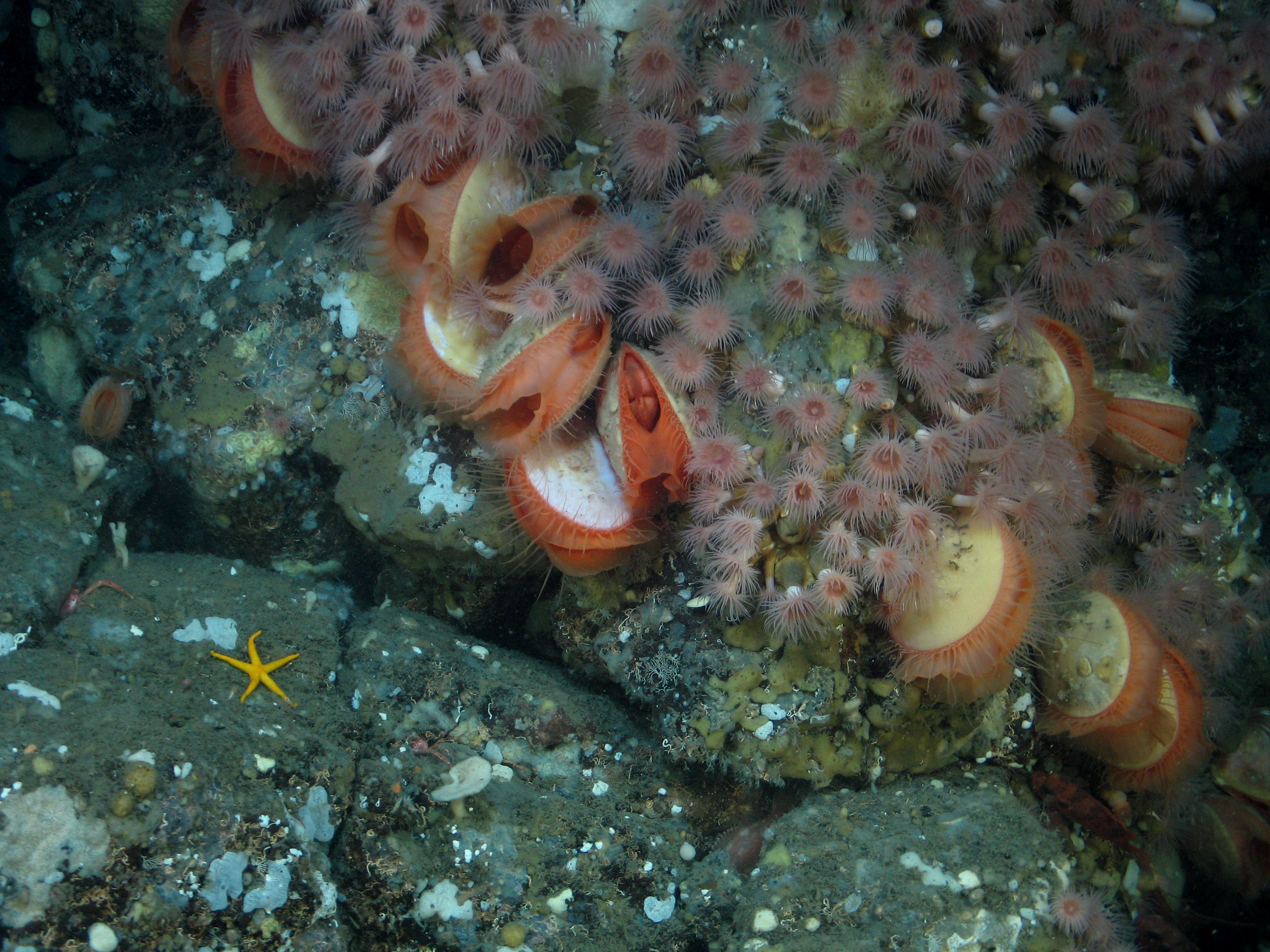


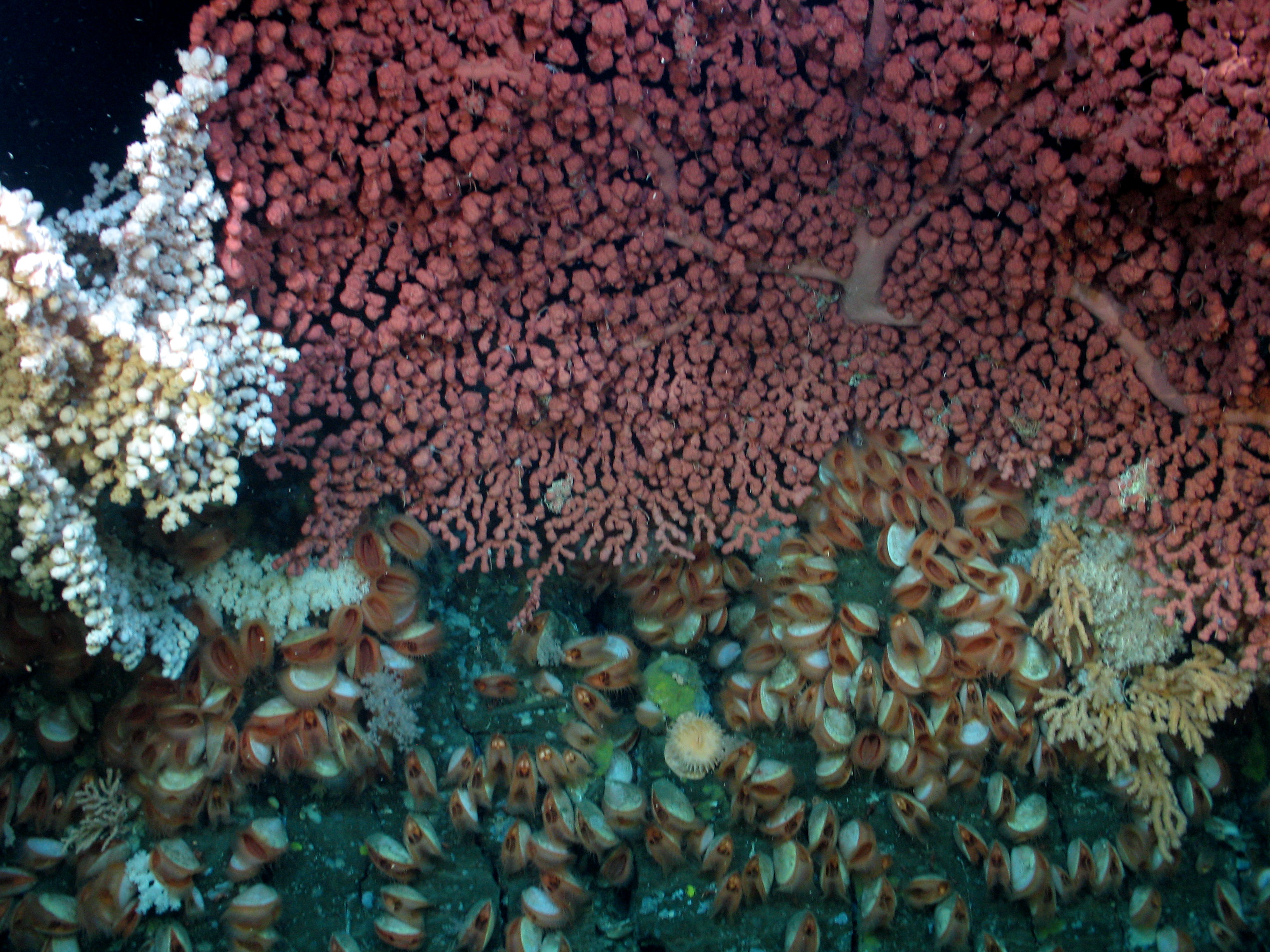

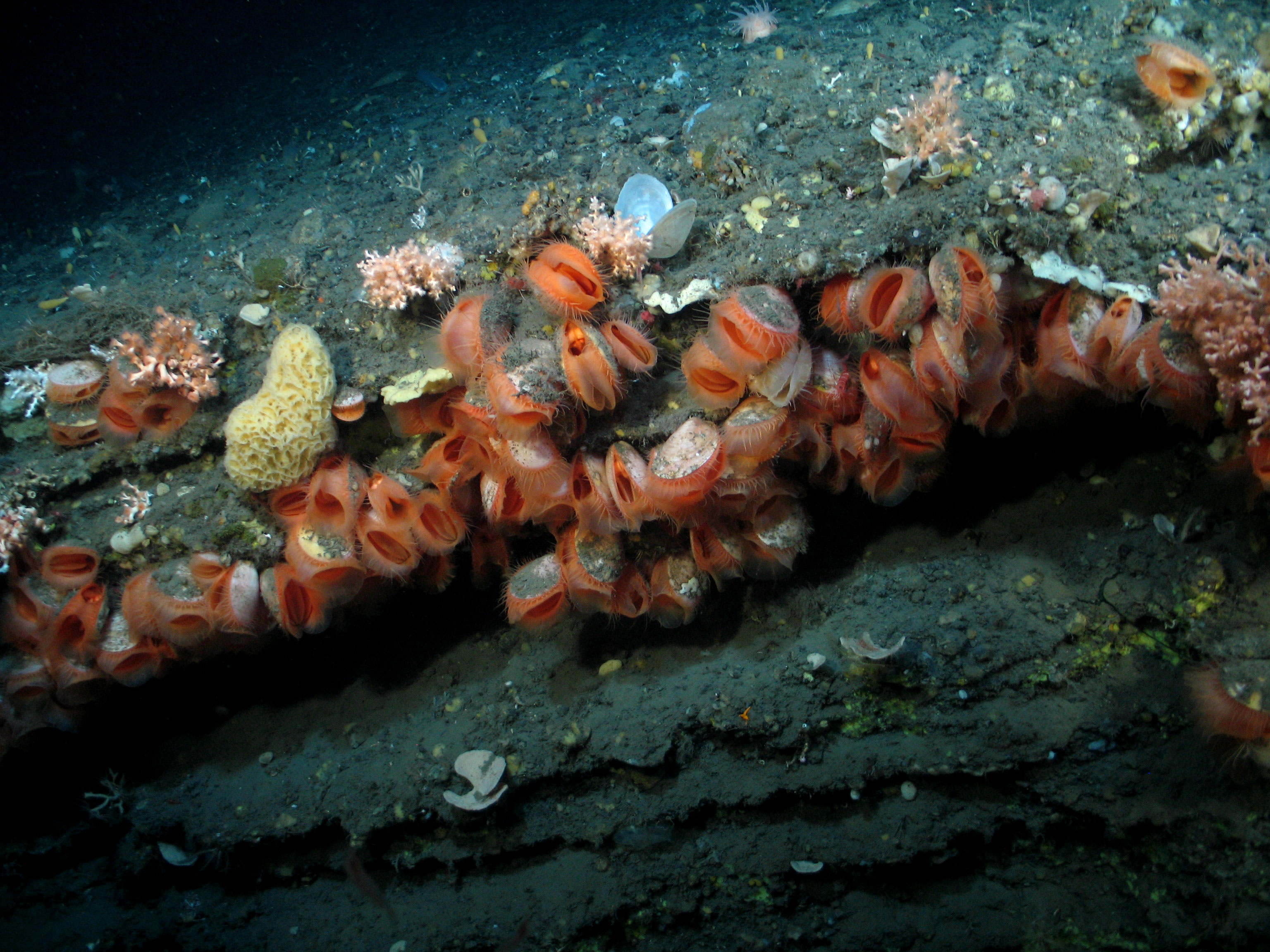

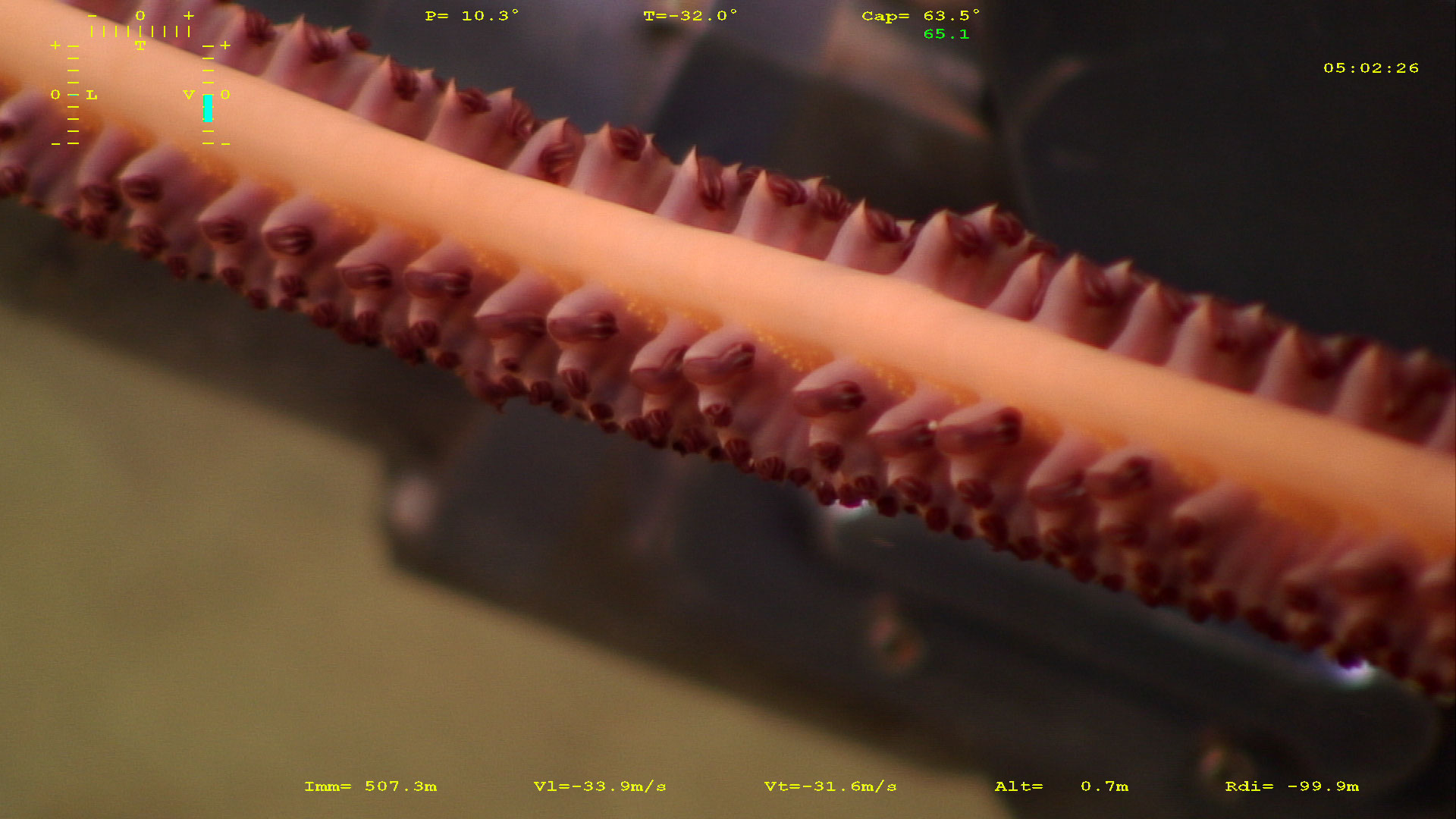
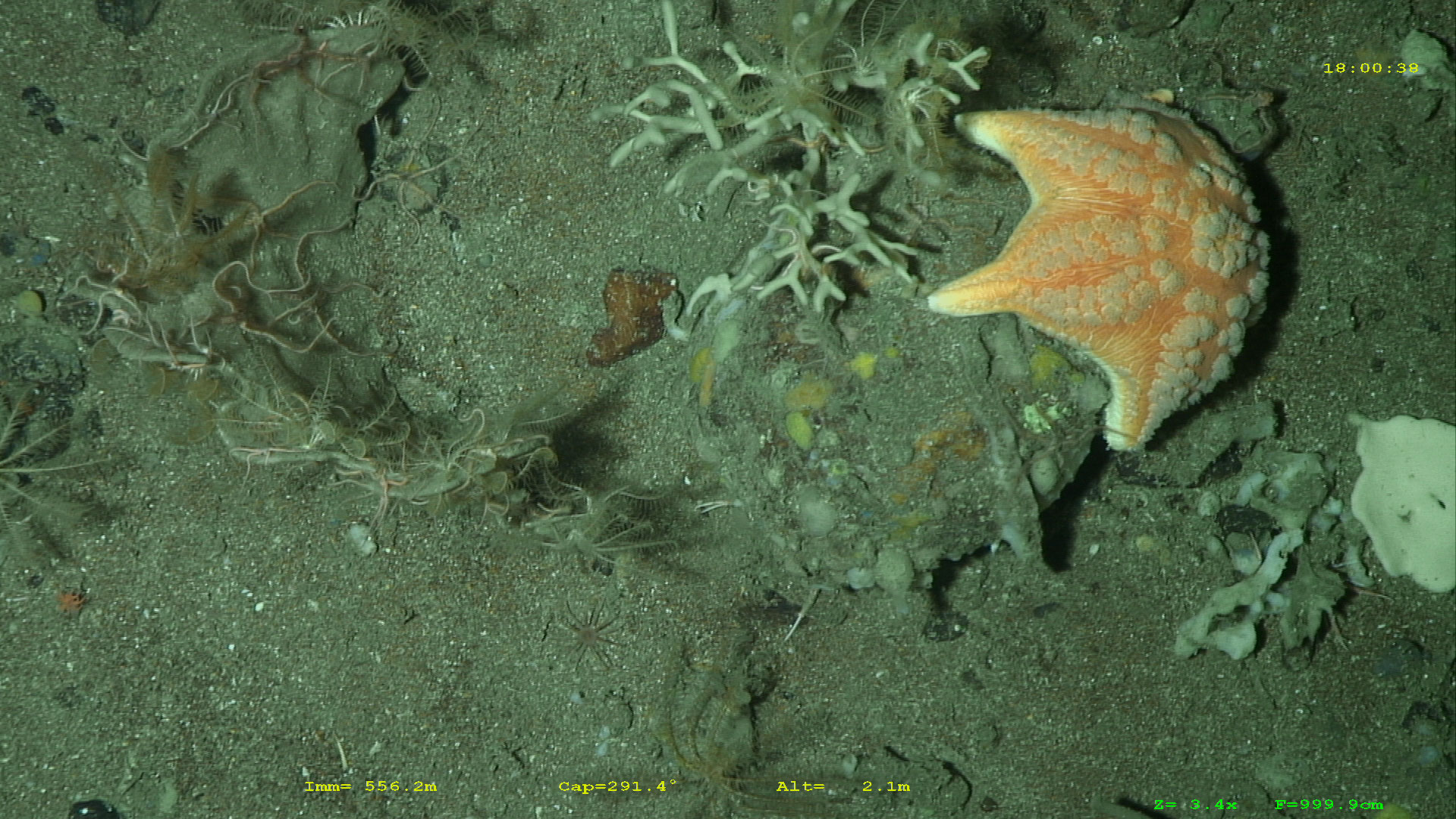

Image Credits
All the pictures are taken by the GENAVIR ROV team and are credited to the following source: ICE-CTD cruise on N/O Thalassa, conducted by the LSCE and IFREMER under the lead of Dr. Norbert Frank, Laboratory for Climate and Environmental Research LSCE. (links: http://www.lsce.ipsl.fr and http://www.ifremer.fr and contact email Norbert.Frank@lsce.ipsl.fr and Sophie.Arnaud@ifremer.fr) and to Fiona Stapleton, National University of Ireland, Galway.
The second in our series of interviews, Dr. Chris Yesson, Institute of Zoology, Zoological Society of London speaks about habitat suitability modelling of cold water corals and his team’s work as part of the CoralFISH FP7 project. He discusses his work the to identify suitable habitats for octocorals and stony corals from the North Atlantic and globally. Interview carried out at the Zoology and Marine Biology Museum, National University of Ireland, Galway. For more information please see the Institute of Zoology, Zoological Society of London website.
Acknowledgements
Special thanks go to Dr. Chris Yesson for permission for inclusion of this interview in this blog.
Benthic ecologist Julian Burgos, Marine Research Institute, Iceland, gives us a rare perspective about cold water corals living in Icelandic deep waters and his team’s work as part of the CoralFISH FP7 project. CoralFISH is assessing the interaction between cold water corals, fish and fisheries, in order to develop monitoring and predictive modelling tools for ecosystem based management in the deep waters of Europe and beyond. More information about the findings of the study can be found on the CoralFISH website.
Acknowledgements
Special thanks go to Dr. Julian Burgos for permission for inclusion of this interview in this blog.