Deep Ocean Collective Solutions Accelerator Update

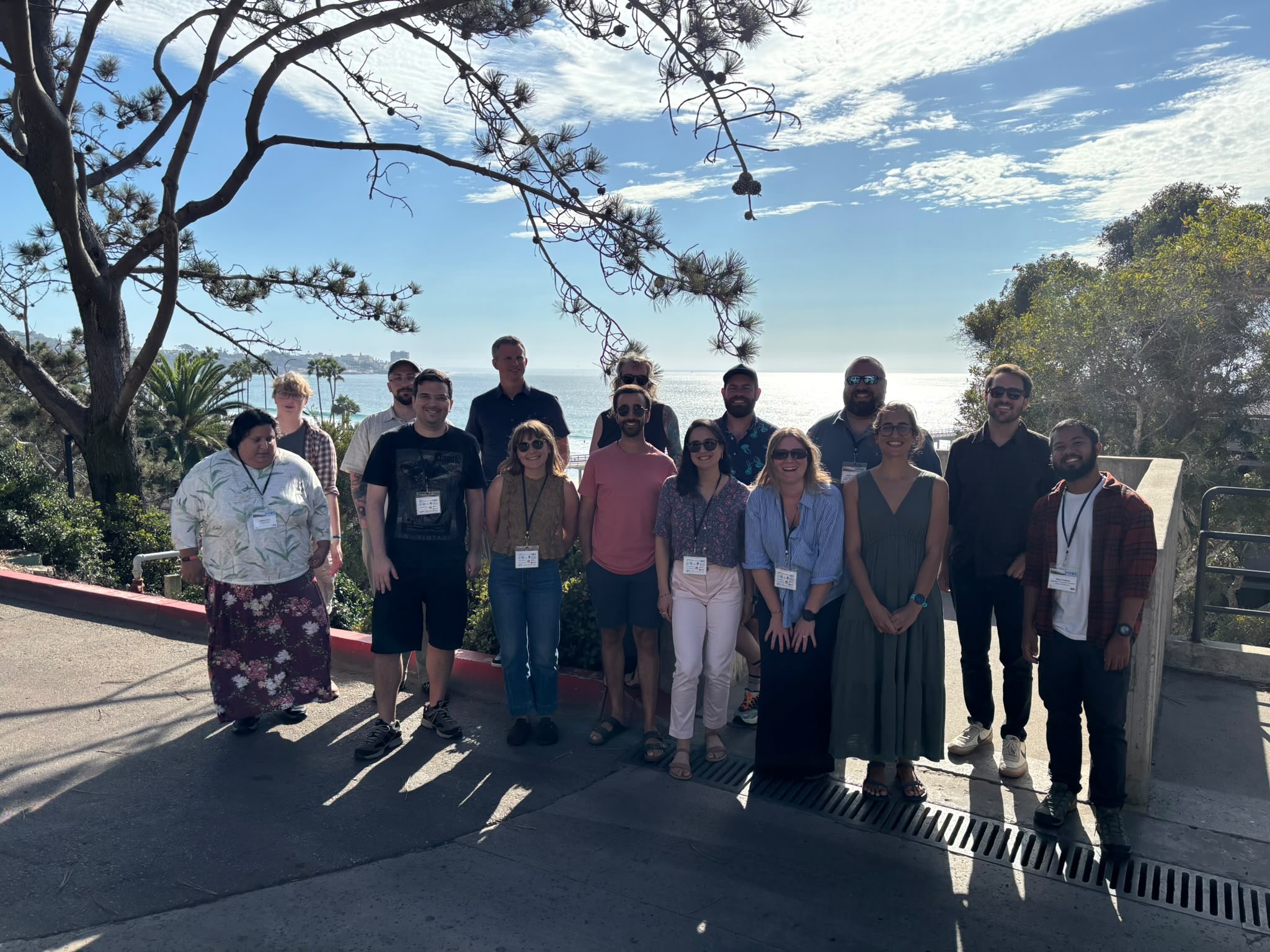
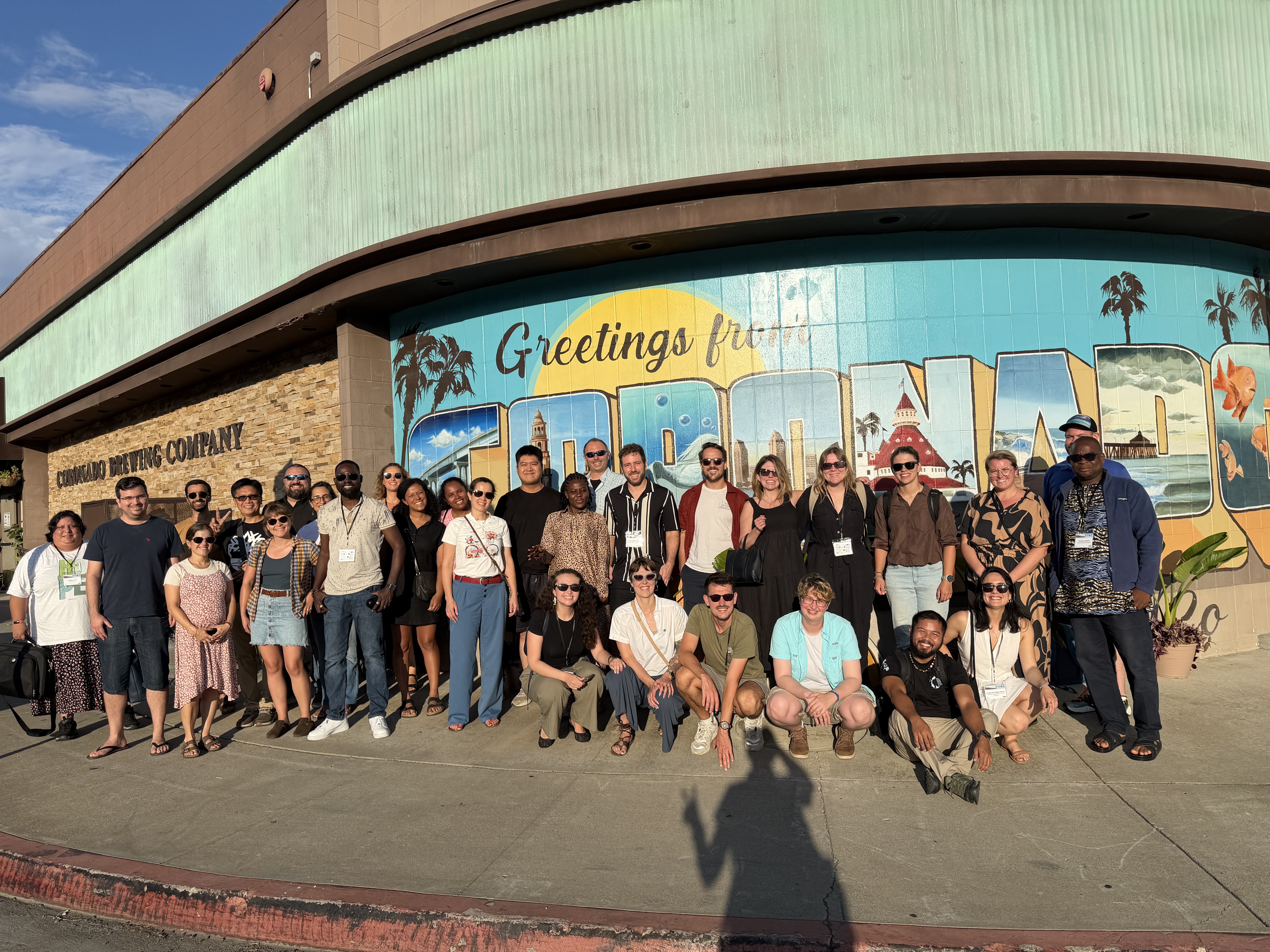
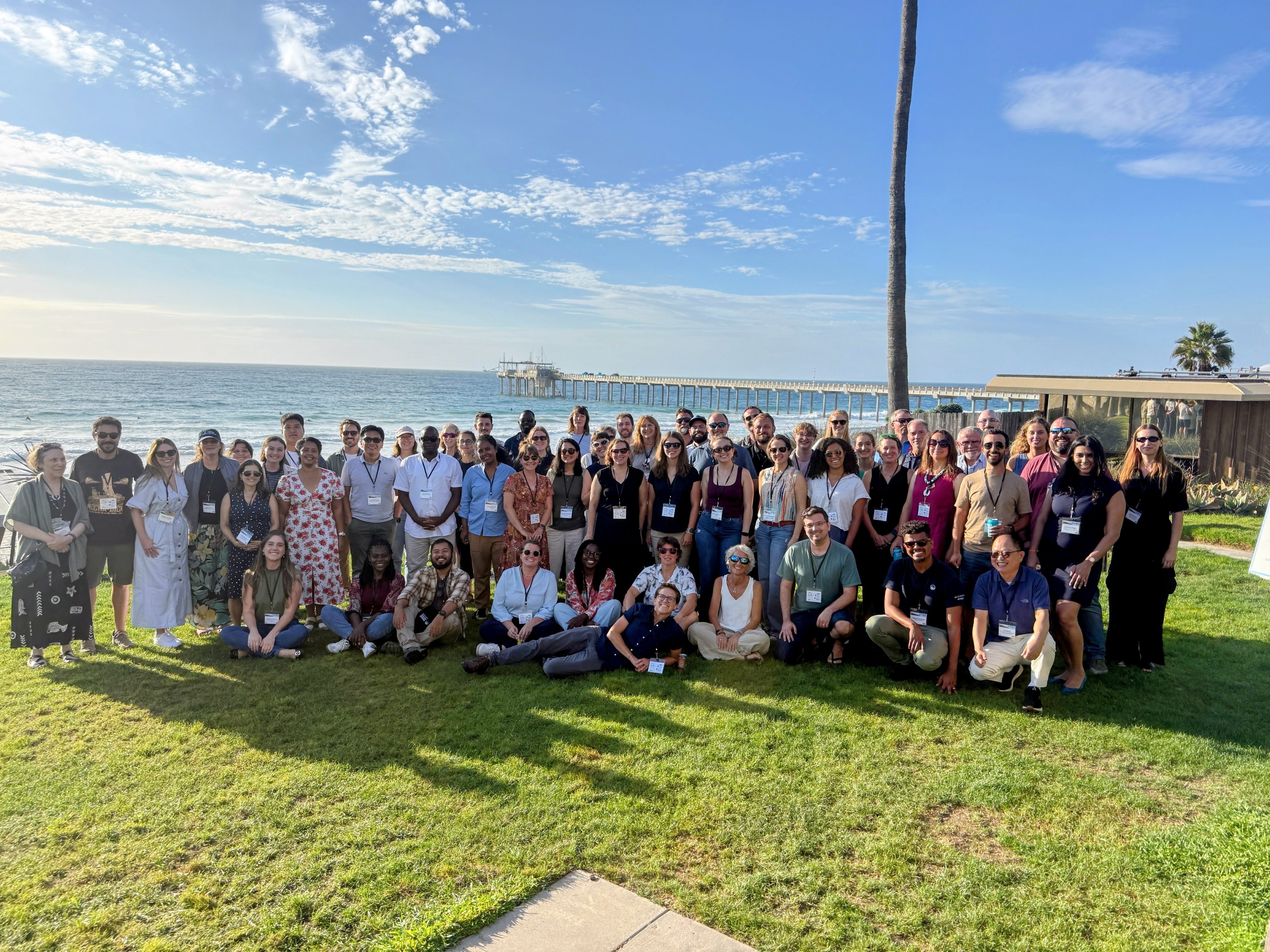
The Deep Ocean Collective Solutions Accelerator 2026 group photo at Scripps Institution of Oceanography

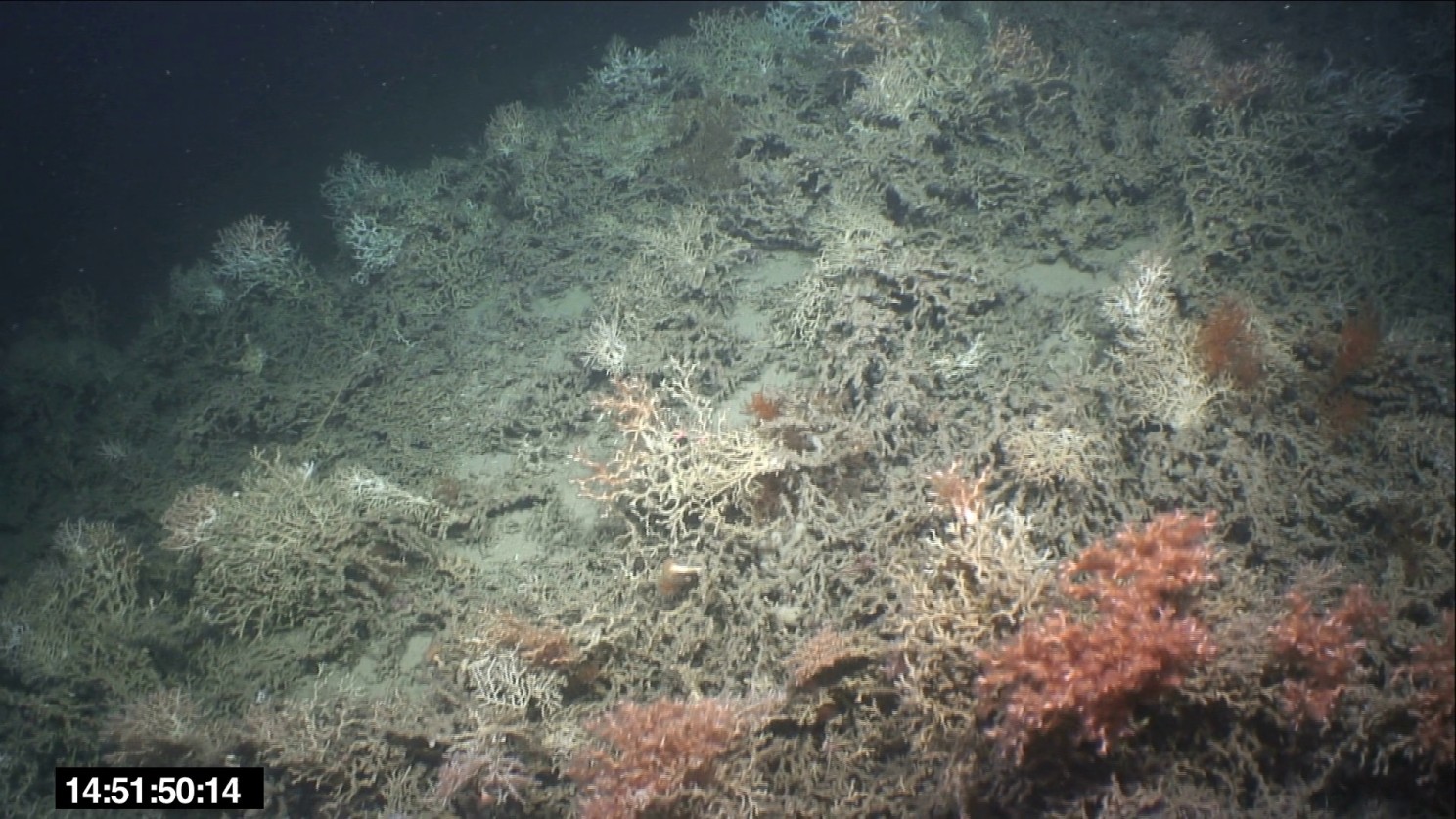
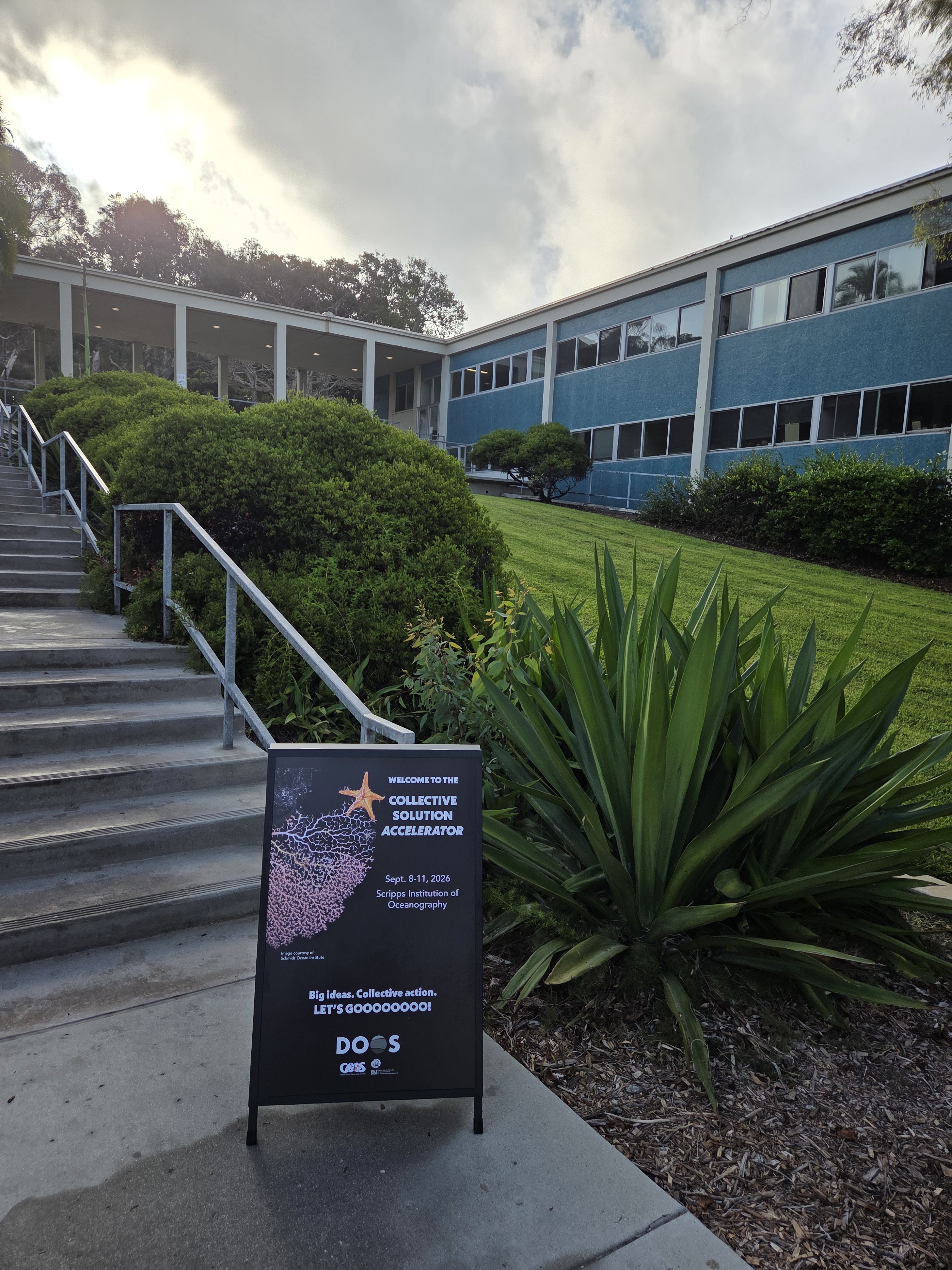
Last month (September) scientists from around the world, including early-career scientists met at the Scripps Institution of Oceanography in La Jolla CA to discuss and collectively work on a problem related to the deep ocean. In our case, this was benthic habitat classification using video imagery and coming up with a robust standardised pipeline for processing of visual imagery of the deep ocean, acquired by video acquisition systems on ships, ROVs and AUVs. The benthic classification workshop showcased two key tools- the ESRI full-motion video tool within ArcGIS Pro and the Deep-framex frame extraction libraries for deep sea video (open source tool) run with Python. Both tools have their merits and depending on the metadata available during the survey, can be used as a part of the video pre-processing and analyses pipeline. The Deep Ocean Collective Solutions Accelerator was the second in a series of three accelerator workshops held every three years by the Deep Ocean Observing Strategy (DOOS). A big thank you to Leslie, Amelia and Katie (and others on the team) for organising our cohort and workshops. Overall, the collective solutions accelerator was a tremendous opportunity to work together over the course of 6 months and then intensively during the week on the same problem and aim to get to an achievable solution. In our workshop, we achieved three of the four major goals and through the work of the DOOS Marine Habitat Mapping working group, will continue to work on the goal of identifying a limitations map as the final goal.
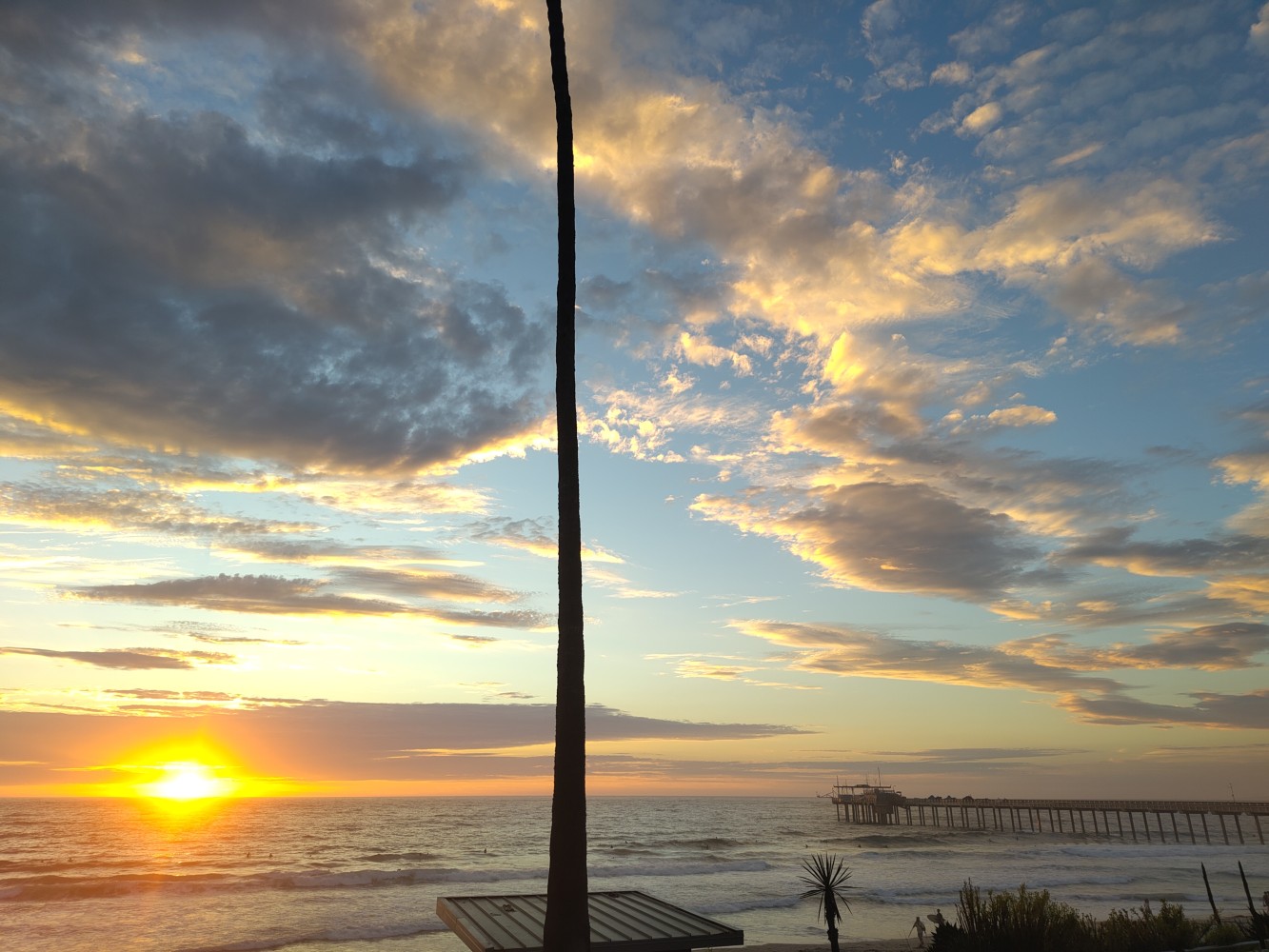
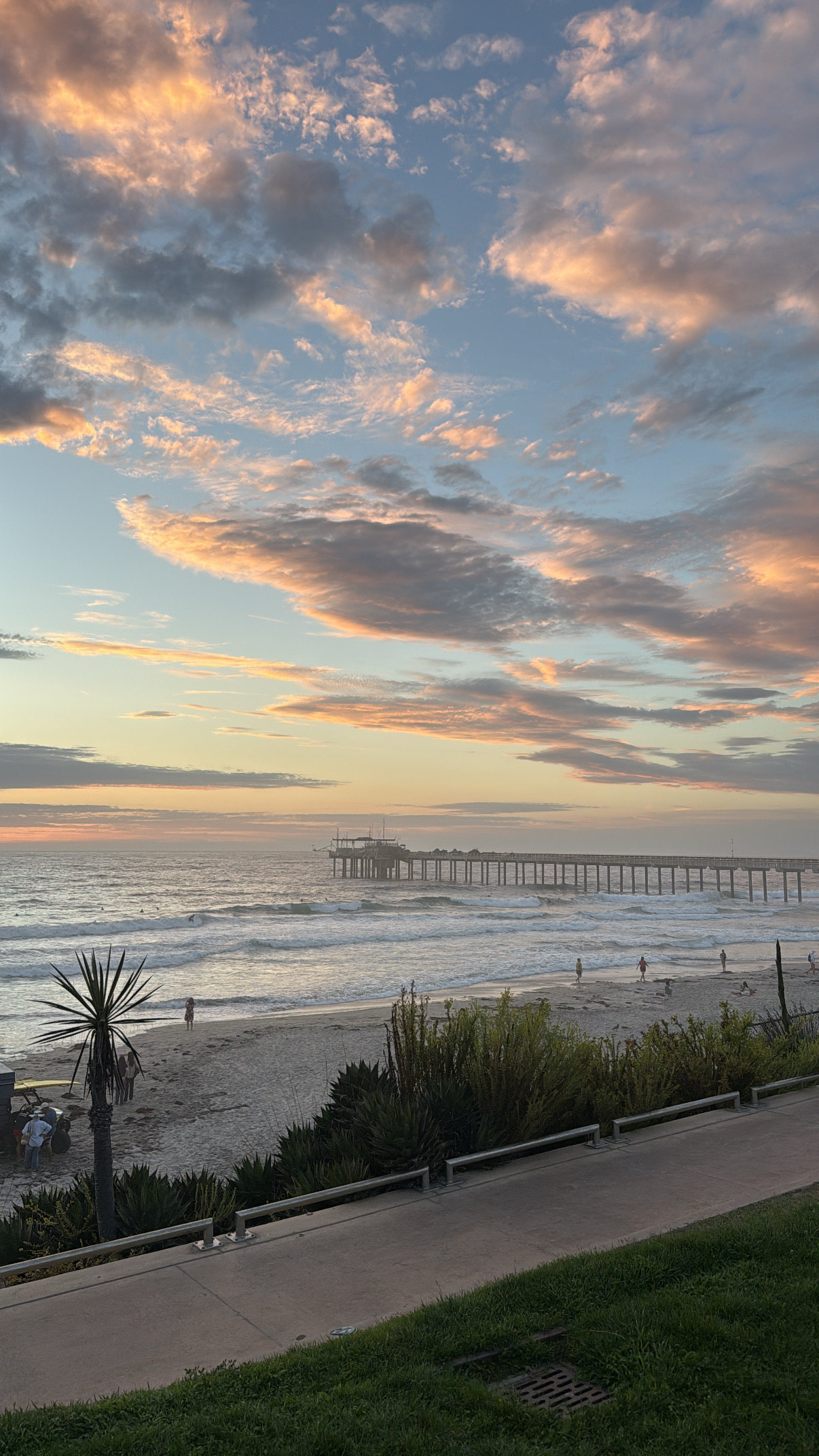
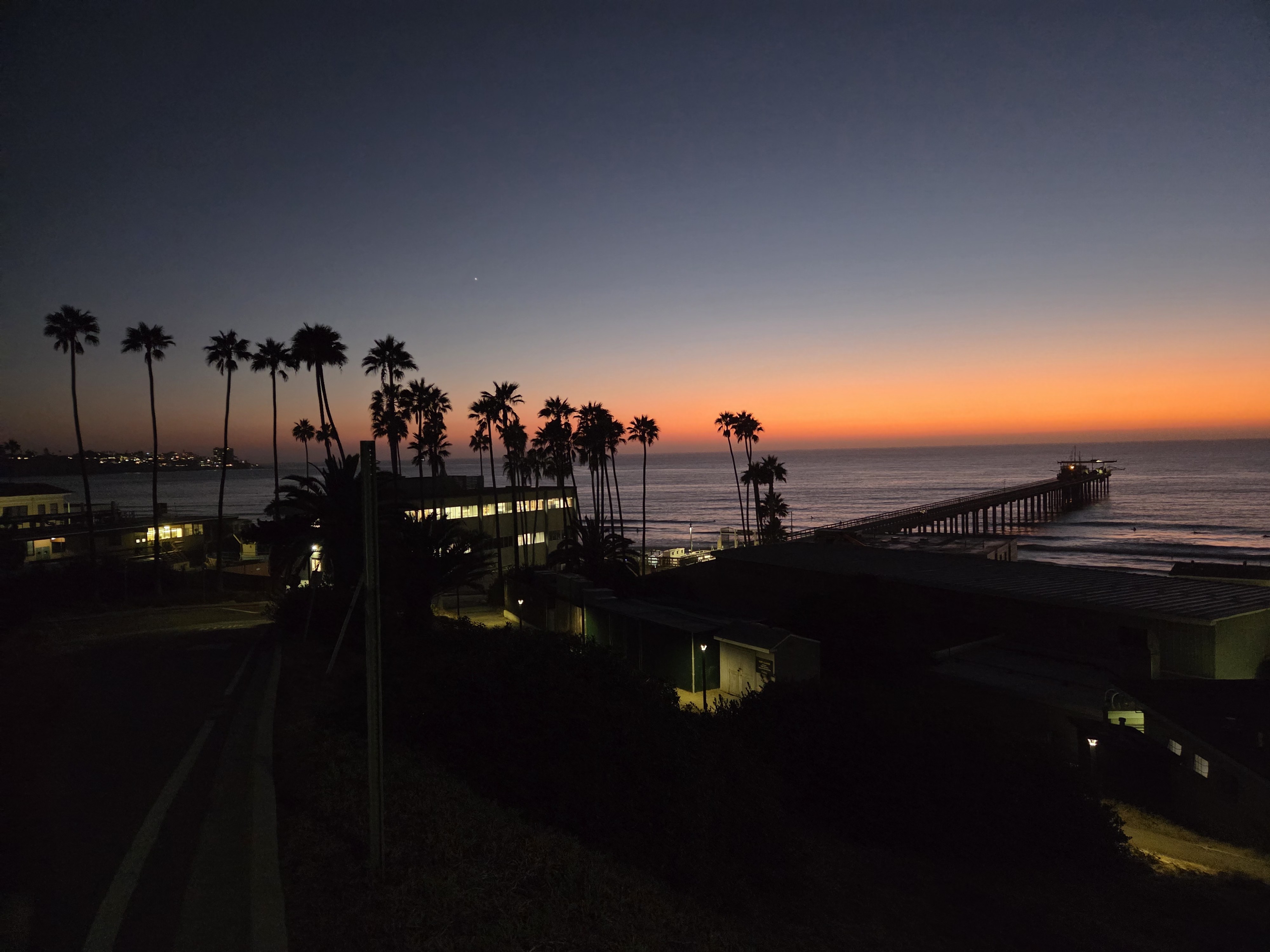
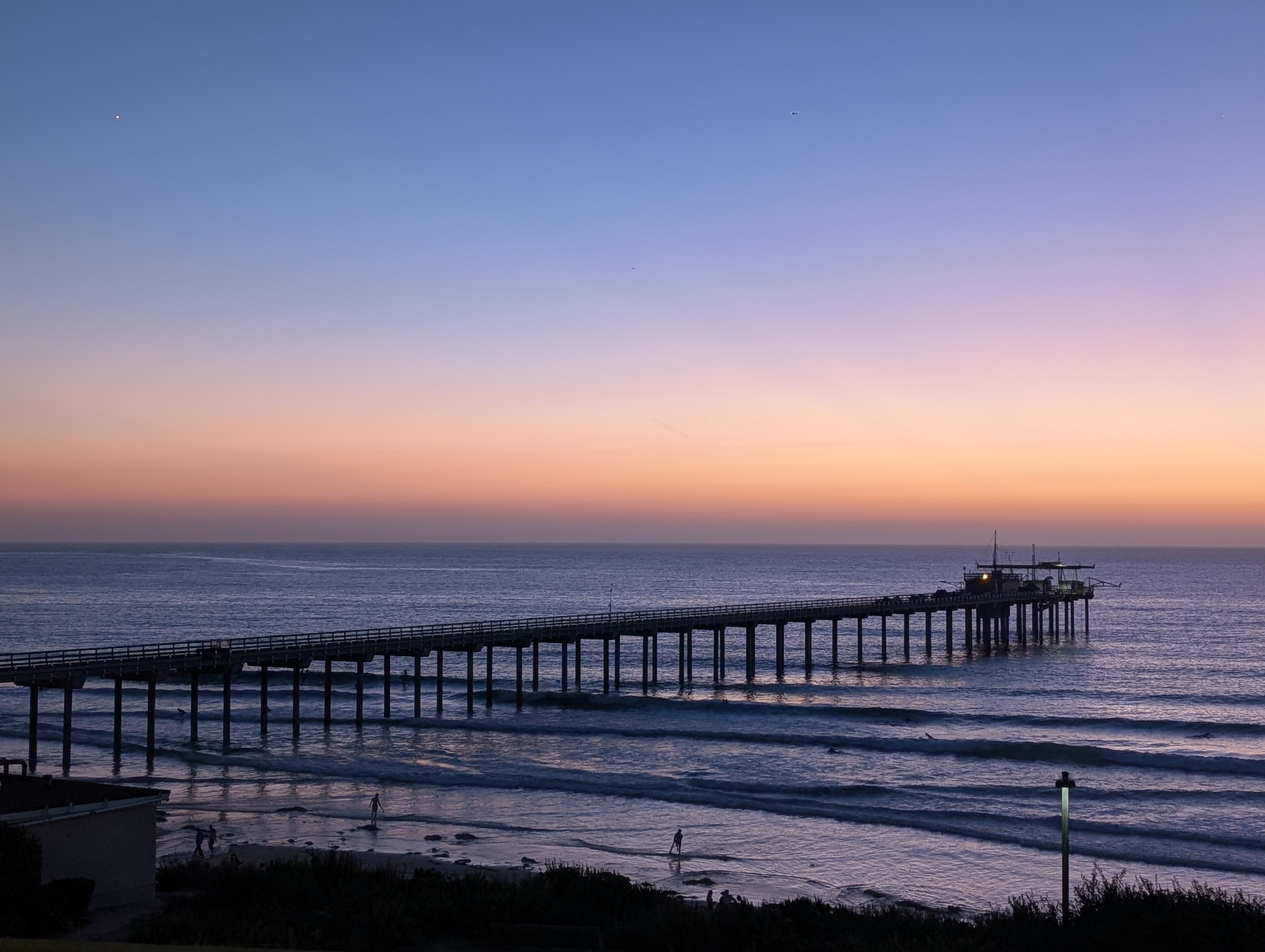
View of Scripps Pier in the sunset

The Science for a Thriving Ocean – opera blending art and science at Nice Opera House

As a special event for the One Ocean Science Congress, For the Ocean – this Scientific Opera event in Nice Opera House was really unique blend of art, music and science. First of its kind to my knowledge! History was made!

#OneOceanScienceCongress

One Ocean Science Congress in Nice, France

🌊🌊🌊 Join us for the One Ocean Science Congress in Nice, France from 3rd to 6th June 2025, a Special Event of the 3rd United Nations Conference on the Ocean Endorsed by the United Nations Decade of Ocean Science for Sustainable Development. I will be presenting a poster at stand P193 and co-author of two abstracts.

🔗https://lnkd.in/e_EEDgYQ

👇🏽Habitat Suitability Modelling of Blue Carbon Habitats in Southeast Asia by Joshi et al. 🔗https://lnkd.in/ejfNDEBN

👇🏽Developing a framework for co-creating blue carbon policy in southeast Asia by Vu Hoang et al. 🔗https://lnkd.in/e6WEvjFM

👇🏽Future Directions for Deep Ocean Climate Science and Evidence-Based Decision Making by Pillar et al. 🔗https://lnkd.in/eJexq8Rg

#OneOceanScienceCongress

Wintery update from Umeå

Spending January at the Umeå Marine Science Centre (UMF), I was pleasantly surprised by the frozen sea and sub-zero temperatures. Even if it had been described to me before, it was still a unique experience to face the new year of 2025. Some views from the sunrises and sunsets and the frozen Gulf of Bothnia (which separates Sweden and Finland). The centre – known as UMF – specialises in research into Arctic environments as well as a diverse portfolio of international research from around the world; including the blue carbon in southeast Asia project, phytoplankton dynamics, chemical oceanography, research into coral reefs in Mayotte (Indian ocean) and multidisciplinary aspects across a range of marine science and social science disciplines. Coralline algal research is also a key research focus and views from the office window are a constant source of inspiration in the unique environment of the sub-Arctic. The centre has its own hovercraft which specialises in going on the frozen Gulf of Bothnia as well numerous vessels.

The region has a large temperature range across the year of over 60 degrees C and the impacts of climate change can be felt quite intensely in this part of the world. The region is experiencing milder temperatures than previous winters and effects can be felt most prominently near the coastal areas, (in contrast to the nearby mountains). This affects the movement of reindeer and indigenous communities in the region.

My experience of the outdoors has been challenging- having not seen so much snow outside of the mountain ranges. I am very thankful to those who helped me brave the outdoors- especially those icy conditions!!! Special thanks to Dr. Heidi Burdett for lending me some-much-needed-spikes for my snow boots! Stay tuned for some updates about our project, perspectives and more over the coming year. Learn more about UMF at their webpage:

https://www.umu.se/en/umea-marine-sciences-centre

and the Department of Ecology and Environmental Science (EMG) at Umeå University:

https://www.umu.se/en/department-of-ecology-and-environmental-science