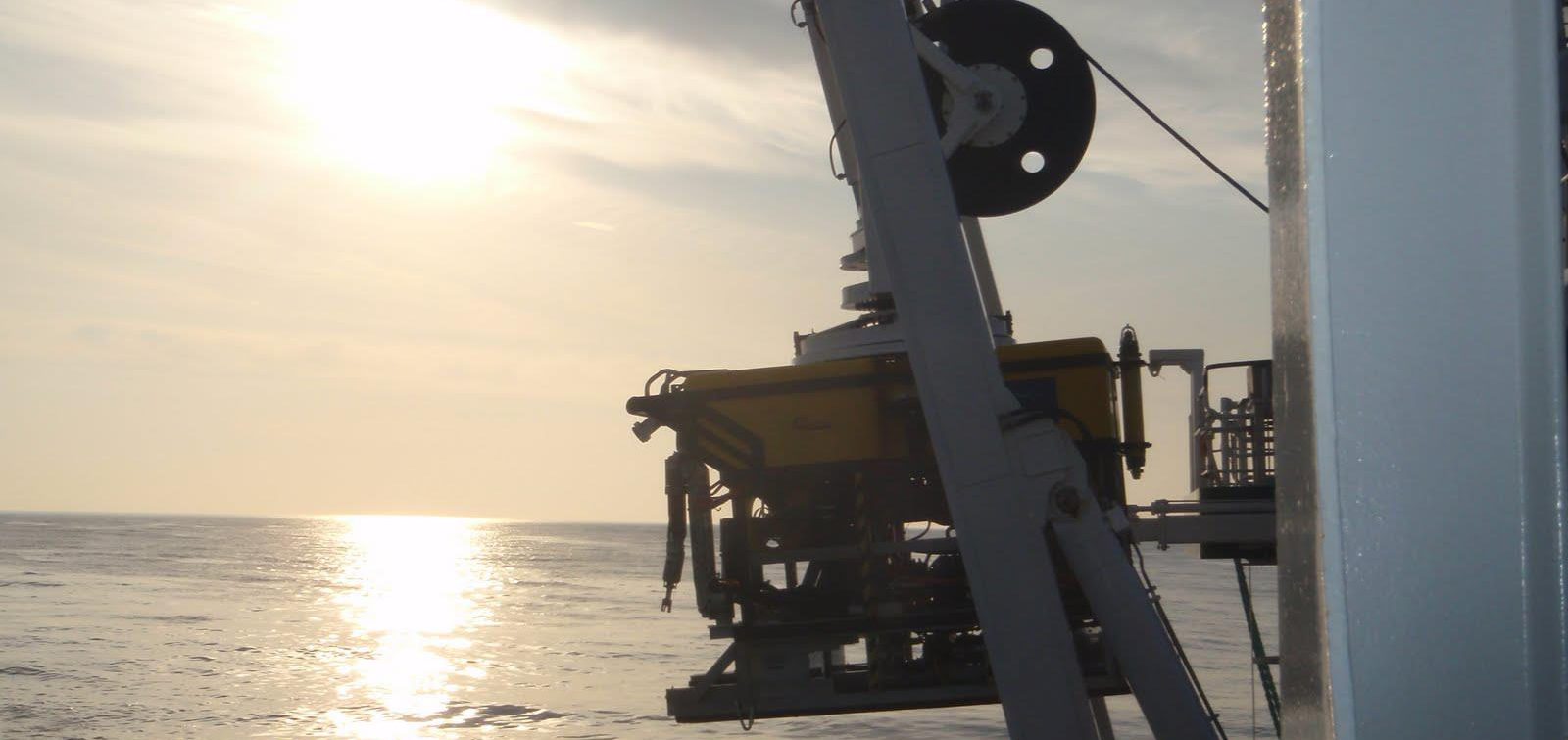
The INFOMAR programme is a joint venture between the Geological Survey of Ireland and the Irish Marine Institute and is the successor to the Irish National Seabed Survey. Covering some 125,000 km² of Ireland’s most productive and commercially valuable inshore waters, INFOMAR will produce integrated mapping products covering the physical, chemical and biological features of the seabed.
The 2013 Annual INFOMAR Seminar will take place in the Pavilion on October 09 -10th at University College Limerick, Ireland. The seminar will include an update on Ireland’s national seabed mapping programme including survey operations and coverage, future plans, associated research along with poster sessions. Organised by the Geological Survey of Ireland and the Marine Institute, the seminar is free and open to all, with registration possible at the following link. Examples of research funded by INFOMAR can be found at this link, with INFOMAR data available here.
Professor Markku Rummukainen from Lund University on the latest Intergovernmental Panel on Climate Change (IPCC) report.
The IPCC is an international scientific organisation that provides research-based information about the causes and consequences of climate change, including both human-influenced and naturally-occurring climate change. It also assesses measures for lessening the severity of climate change and the potential for adapting to its consequences. Its purpose is to inform government policy, but it does not recommend which policies governments should adopt.
The IPCC was formed in 1988 by two bodies: the United Nations Environmental Programme and the World Meteorological Organization. Thousands of scientists from across the world voluntarily contribute to its assessment reports, which are published every six years or so.
September 2013 sees the first phase in the publication of the IPCC’s Fifth Assessment Report (AR5), which consists of four reports and summaries for policymakers. The first summary from Working Group 1 is released on 27 September with the full report published on 30 September. Subsequent reports from Working Group 2 and Working Group 3 are published in March 2014 and April 2014. Finally, the Synthesis Report, providing an integrated view of climate change drawing upon the individual working group reports, is published in November 2014.
A new species of shark that “walks” along the seabed using its fins as tiny legs has been discovered in eastern Indonesia, an environmental group said.
The brown and white bamboo shark pushes itself along the ocean floor as it forages for small fish and crustaceans at night, said Conservation International, whose scientists were involved in its discovery.
The shark, which grows to a maximum length of just 80 centimetres and is harmless to humans, was discovered off Halmahera, one of the Maluku Islands that lie west of New Guinea.
Bamboo sharks, also known as longtail carpet sharks, are relatively small compared to their larger cousins, with the largest adult reaching only about 120 centimetres in length.
They have unusually long tails that are bigger than the rest of their bodies and are found in tropical waters around Indonesia, Australia and Papua New Guinea.
Conservation International said the discovery of the shark, which was first disclosed in the International Journal of Ichthyology, “should help draw diver interest to this mega-diverse but largely undiscovered region”.
The 48th Annual European Marine Biology Symposium 2013 starts today in Galway, being hosted by the National University of Ireland, Galway. The overarching theme of EMBS 48 is Biodiversity in a Changing Ocean. Research is proceeding actively on many fronts as we attempt to sustainably manage human activities in the ocean against a backdrop of climate change and ocean acidification. Here are some photos from the first day.
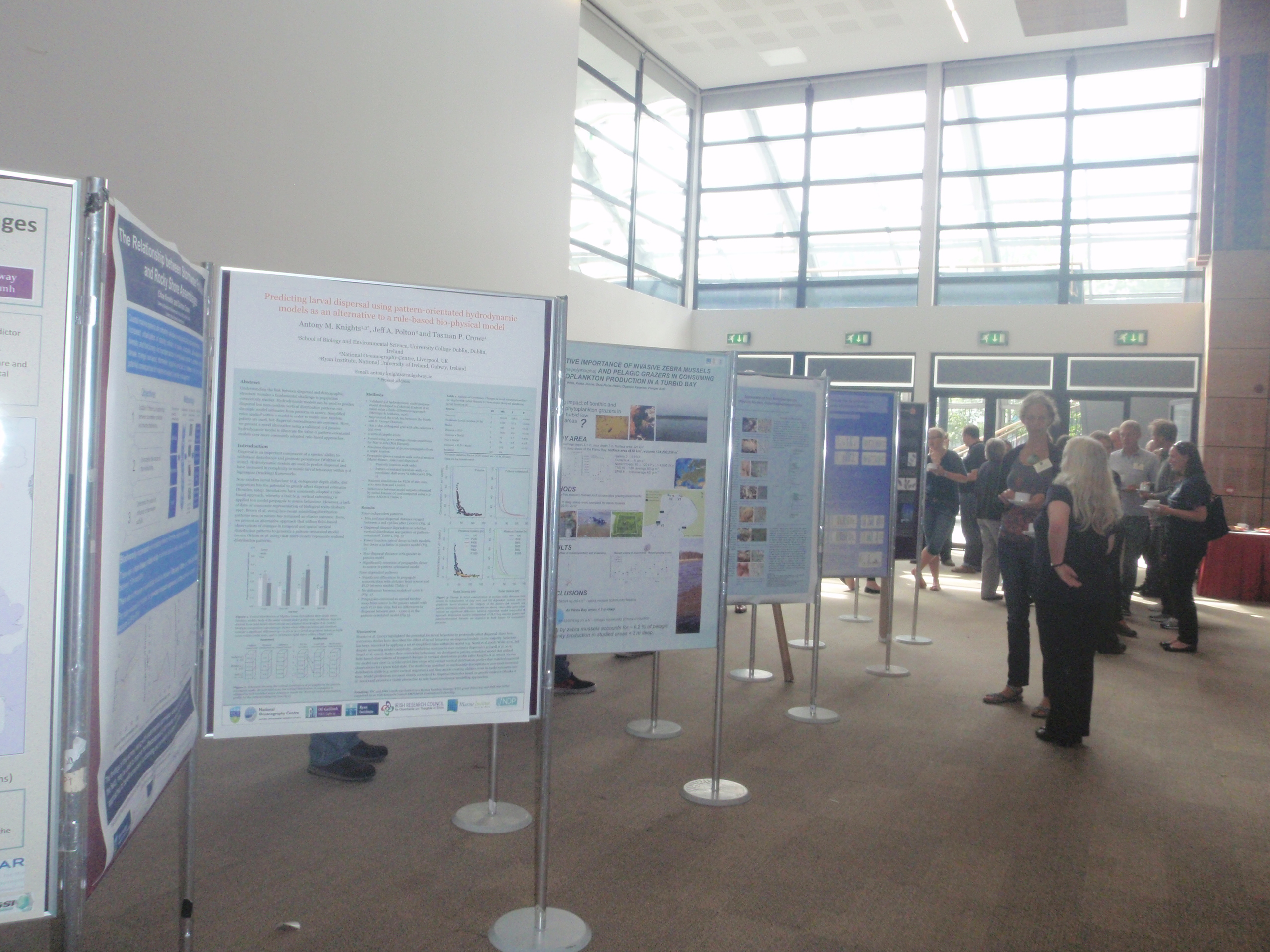
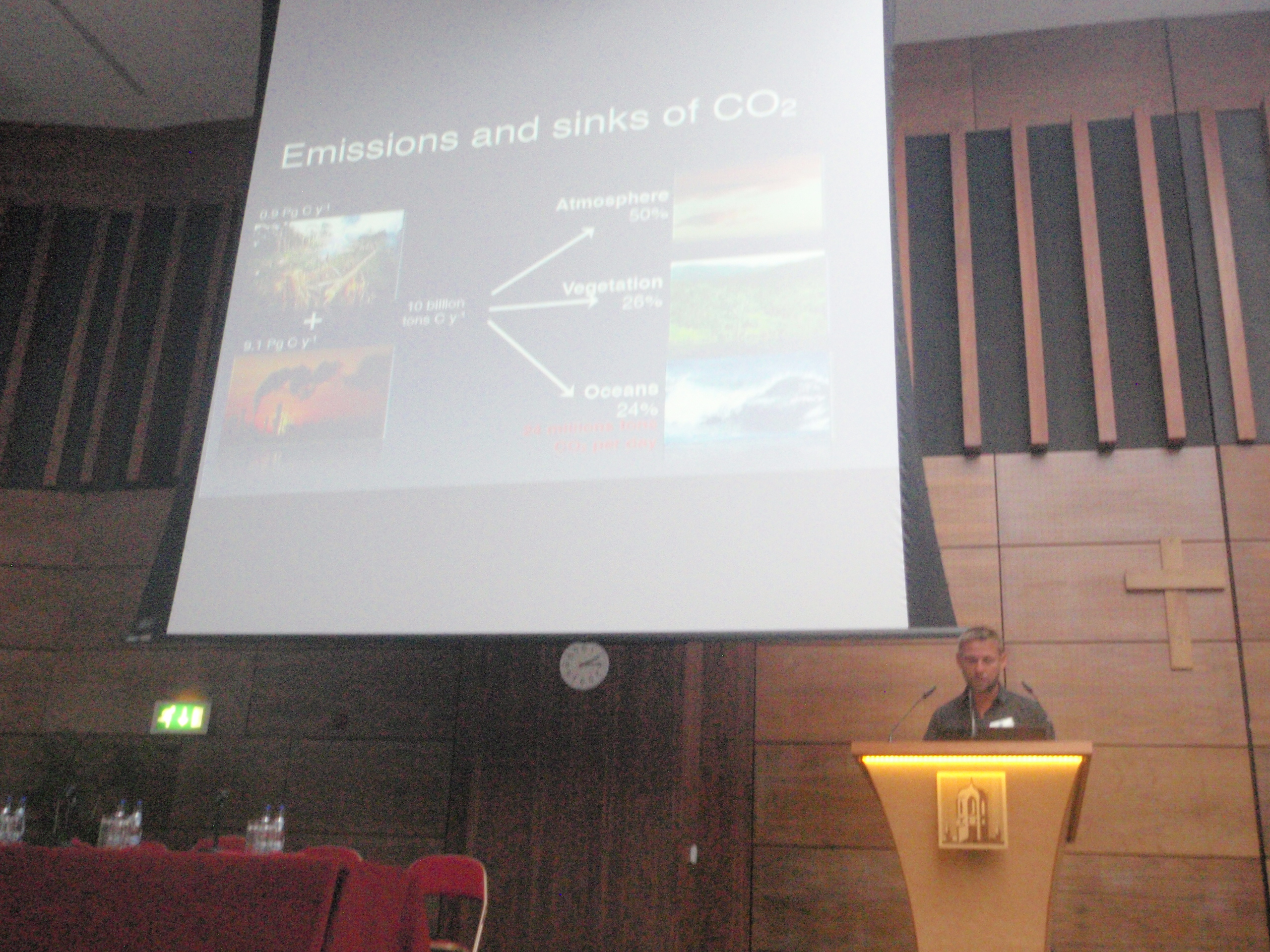
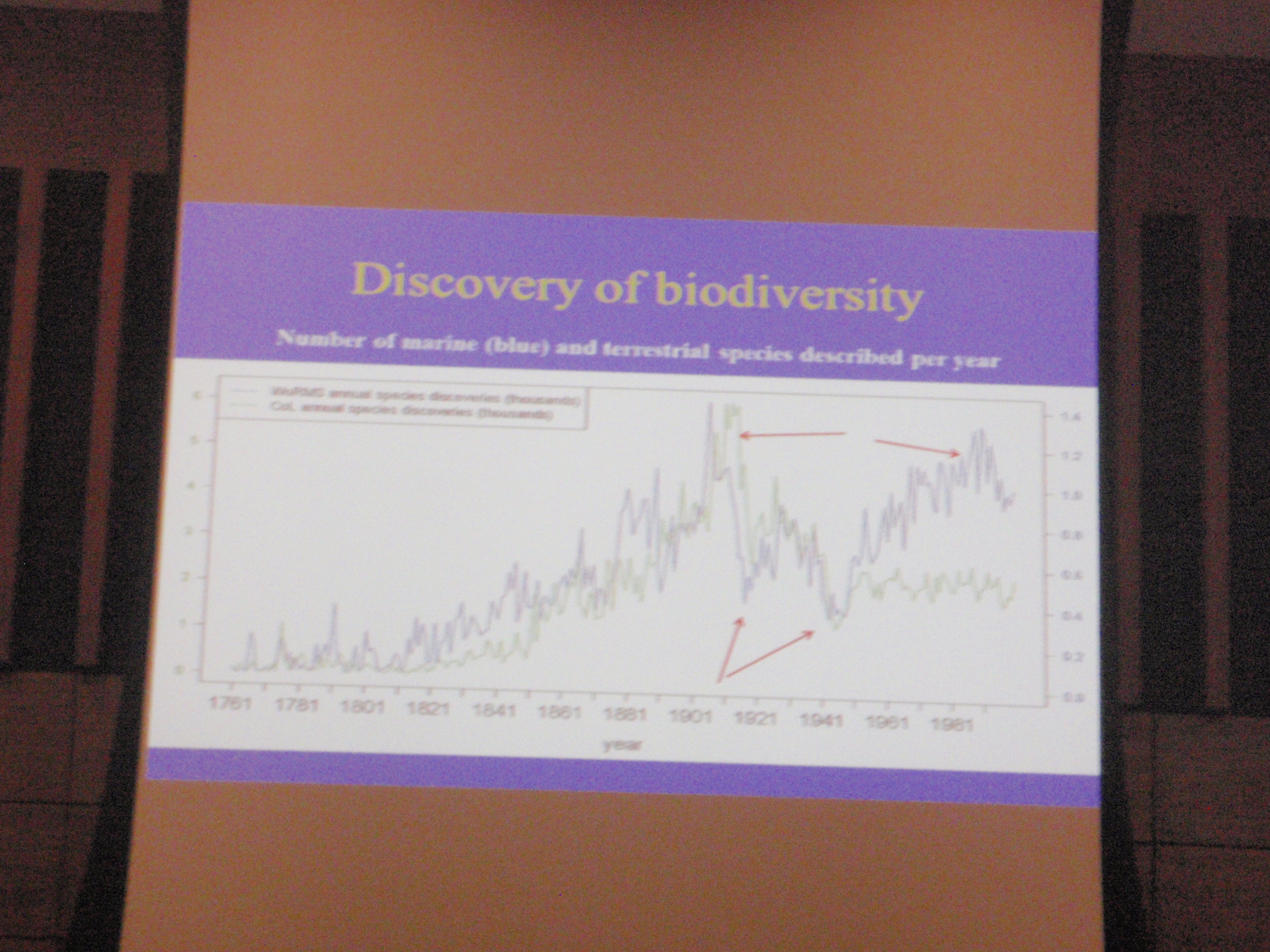
Delegates of the European Marine Biology Symposium, 2013Poster session in the Bailey Allen Hall, NUI GalwayKey note speaker Prof. Jason Hall-Spencer’s talk about ocean acidification and biodiversity.Keynote speaker Prof. Mark Costello’s talk asked the question “Can we discover Earth’s species before they go extinct?”The number of marine vs. terrestrial species discovered per year over time. Since the latter half of the twentieth century, there has been a recent increase in the number of marine species discovered, with increasing number of marine science expeditions and research.Prof Peter Croot, NUIG gave a talk about the change in distribution of picoplankton and the Peruvian oxygen minimum zone in the Eastern Tropical South Pacific.
More information about the conference can be found at this link and on the EMBS 2013 Facebook page.
Video Poster Trailers
This year, in addition to oral presentations and posters, some participants are preparing video presentations of their poster, in advance of the conference, which can be viewed on the web. Here are some of them highlighting the diverse range of research at this year’s conference. A wonderful medium for communicating scientific research!
Poster and video by M Bolgan- Does the Arctic char (Salvelinus alpinus) rely on sound to communicate?
Poster and video by M. Milanese, on behalf of the SPECIAL Consortium – SPECIAL- Sponge Cells and Enzymes for Innovative AppLications
Poster and video by N Artemis – Benthic Diversity in Messolonghi Lagoon, Greece
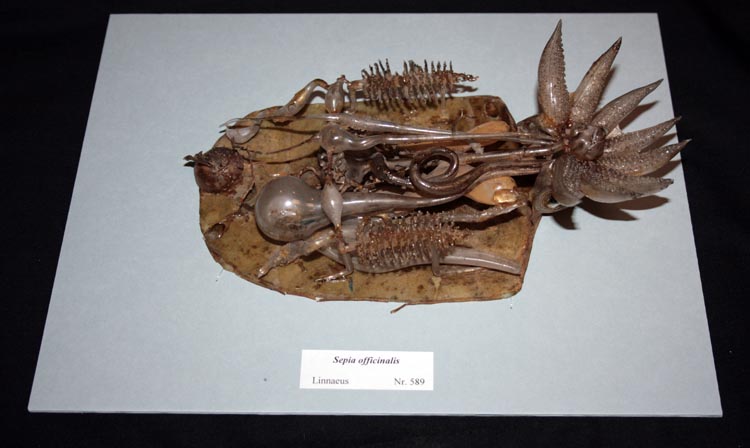
A special collection housed in the National University of Ireland, Galway Marine Biology and Zoology museum consists of over 100 ‘Blaschka models’. The father-and-son team of Leopold and Rudolf Blaschka produced beautiful, intricate glass representations of marine animals, originally developed as educational models. They are now considered to be works of art, with a value that makes them irreplaceable.
The models were acquired in the late 1800s by Professor R.J. Anderson. They consist of beautiful representations of marine life including delicate sea anemones and radiolarians, intricate nudibranchs and many complex models of dissected animals such as that of the cuttlefish Sepia officinalis.
The Blaschkas came from a family of glass craftsmen that originated in 15th century Venice. Initially, the Blaschka family made a living from manufacturing jewellery, scientific apparatus and glass eyes. However, when Leopold moved to Dresden, Germany in 1863, he was brought into contact with the director of the local natural history museum, where his plant models were exhibited. Thus he began a sideline producing natural history models, and was eventually joined by his son Rudolph. In total, the Blaschkas produced intricate glass models for a period spanning over 70 years in the late 19 th and early 20 th century.
The Blaschkas are best known for the collection of glass flowers that they produced for Harvard University, a collection that included approximately 850 life-size plants and 3,000 enlarged flowers. In recent years, however, the Blaschka’s earlier work, glass models of marine life, has attracted more attention. These models were originally based on zoological illustrations of the time, which led to some mistakes in accurate reproduction of specimens. Learning from this, they later based their models on preserved animals, and finally, live animals housed in an aquarium in the Blaschkas’ studio. Reproducing such intricate patterns in glass required a high level of technical skill, and the Blaschkas have been recognised as gifted craftsmen. The scientific accuracy of the models, combined with the beauty of the coloured glass, makes the models very valuable to natural history museums.
The 12th International Coastal Symposium – ICS 2013, took place at Plymouth University last week. Almost 500 scientists from all around the world came to Plymouth and many presented their research to a truly international audience. The symposium was organised by the Coastal Processes Research Group at Plymouth University. Parallel sessions about Coastal Engineering, Coastal Hazards, Deltas and estuaries, Marine renewable energy, Shoreline change, Coastal ecology and pollution, Sea level and climate change, Coastal management, GIS and remote sensing, Gravel beaches and more took place on campus. Last week my supervisor and I went to Plymouth to attend the conference. I made a presentation about maerl sediment dynamics in the Hydro/Sediment Dynamics session. I had been anticipating the presentation for a while and fortunately it was well received, with interesting and useful scientific feedback. We also made a tour of the hydraulics laboratory within new Marine Science building and took part in a one day field-trip.
Professor Marcel Stive of Delft University of Technology made one of three Keynote lectures entitled “Rising Tides – The Dutch strategy on how to cope with climate change in the 21st century“.The Icebreaker session was in the National Marine Aquarium.The Wave Tank at Plymouth University is 35m long x 15.5m wide x 3m deep.
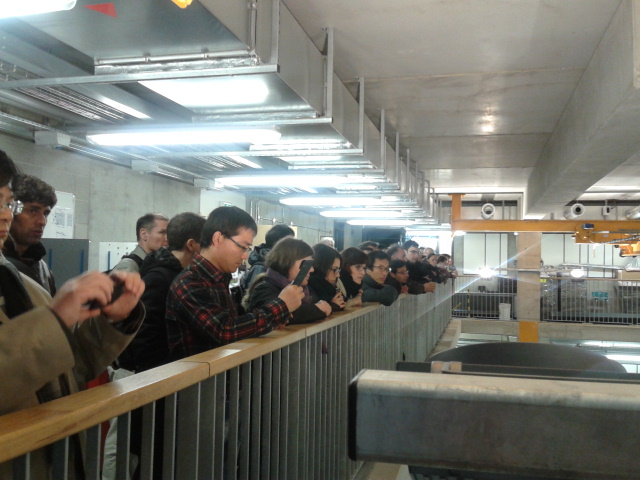
The COAST Lab in the new Marine Science building contains flumes, wave tanks and basins for hydrulics work- facilities which are largely unmatched anywhere in the UK. It combines wave, current and wind power to create a dynamic ‘theatre’ appropriate for device and array testing, environmental modelling and coastal engineering. The equipment is flexible that it can generate short and long-crested waves in combination with currents at any direction to the waves, sediment dynamics, tidal effects and wind (COAST Website). Here are some examples of the different types of waves that can be generated by the large wave tank:
Scientists touring the Coastal, OceAn and Sediment Transport laboratory.A scaled sandy beach can be created at the Coastal Basin.I managed to get splashed by a diagonal wave at the wave tank.
For the field trip, I chose to go to the Eden Project in Cornwall and made a visit to the landmark botanical gardens on the Thursday. The Eden Project was built in a 160-year-old exhausted china clay quarry near St Austell. It was established as one of the Landmark Millennium Projects to mark the year 2000. Eden’s mission is “To promote the understanding and responsible management of the vital relationship between plants, people and resources leading to a sustainable future for all.” I enjoyed exploring the warm and humid Rainforest Biome and had a lovely lunch in the Mediterranean Biome.
The Eden Project, Cornwall
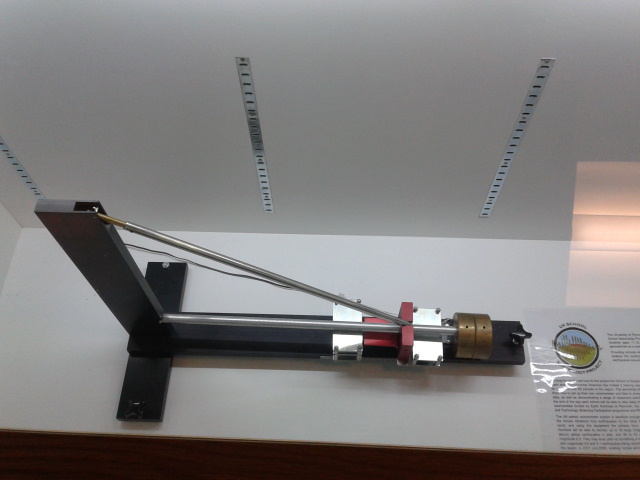
Lastly, guess what? Plymouth University have their very own seismometer – just like the one which was blogged about a few weeks ago and they take part in the Schools Seismology Project. I was really happy to see one there!!