International Rhodolith Workshop

The IV International Rhodolith Workshop took place in Granada, Spain in September. Meeting every three years, delegates were from Brazil, Spain, United Kingdom, USA, Ireland, Mexico, New Zealand and Australia, as well as other countries. Rhodolith is a term largely used interchangeably to “maerl,” as free living non-geniculate coralline algae. Researchers came to share the latest research about one of the big four macrophyte dominated benthic communities (others being kelp beds, seagrass meadows and biogenic reefs) (Foster, 2001). Topics included taxonomy, ecology,  management and conservation biology, genetics, geochemistry, evolution, palaeoecology, climate change studies and sediment dynamics.

Two excursion took place; the Granada coast to look at living rhodoliths and a two-day excursion to Almería-Cabo de Gata to observe both fossil and living rhodolith beds. The first excursion involved diving off the Granada coast or shorkelling to explore the small sea-caves along the coast. The second excursion involved exploring the processes responsible for deposition of rhodolith debris as cliff-deposits and how they have been preserved across geological time.
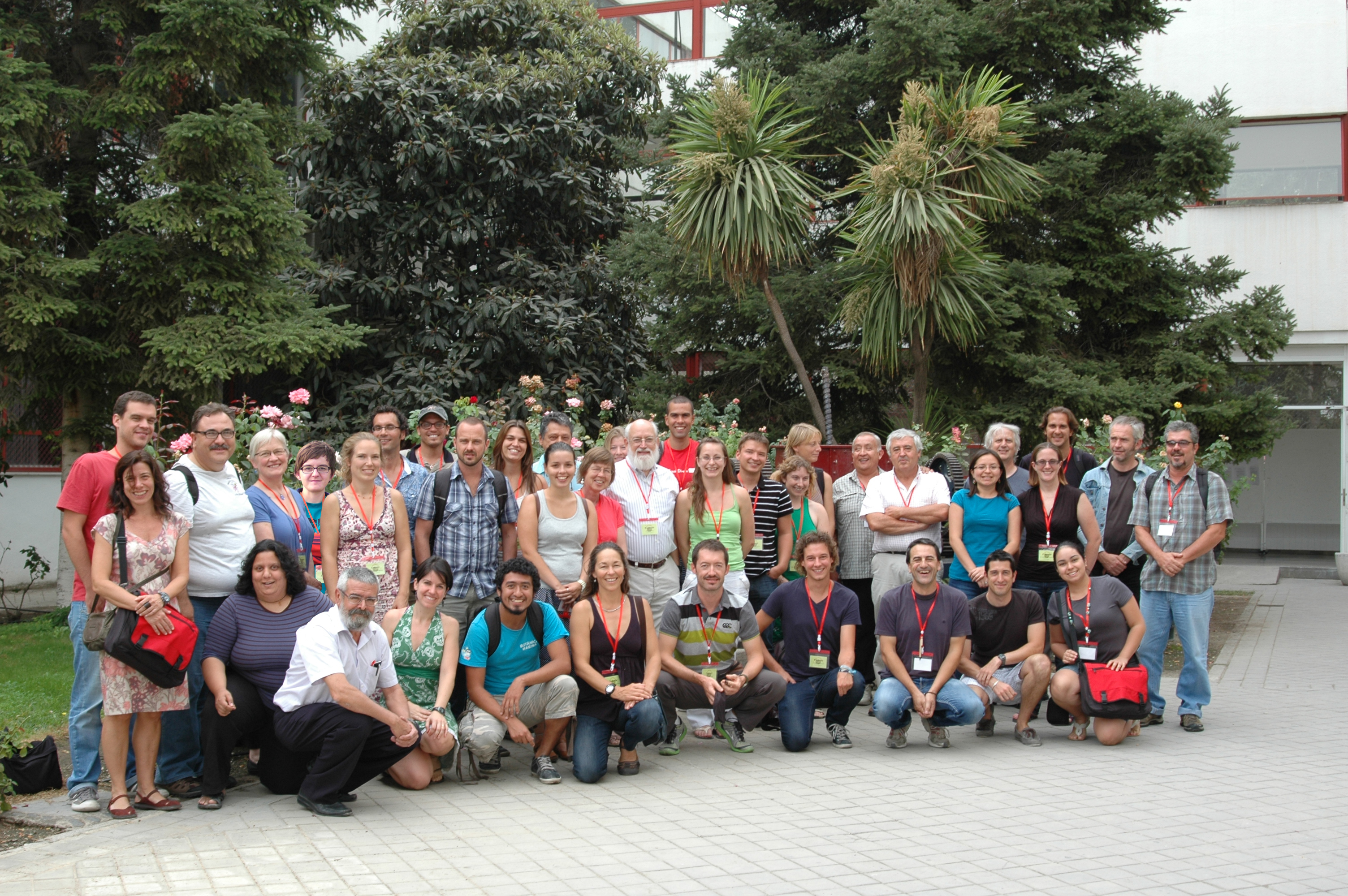
Further information can be found on the conference website. My poster presented to the conference can be found on the Griffith NUIG Biogeosciences website

References

Foster M, 2001, Rhodoliths: Between rocks and soft places, Journal of Phycology, Vol 37 Issue 5, 659-667

Cruise aboard RV Thalassa: France – Iceland – Azores

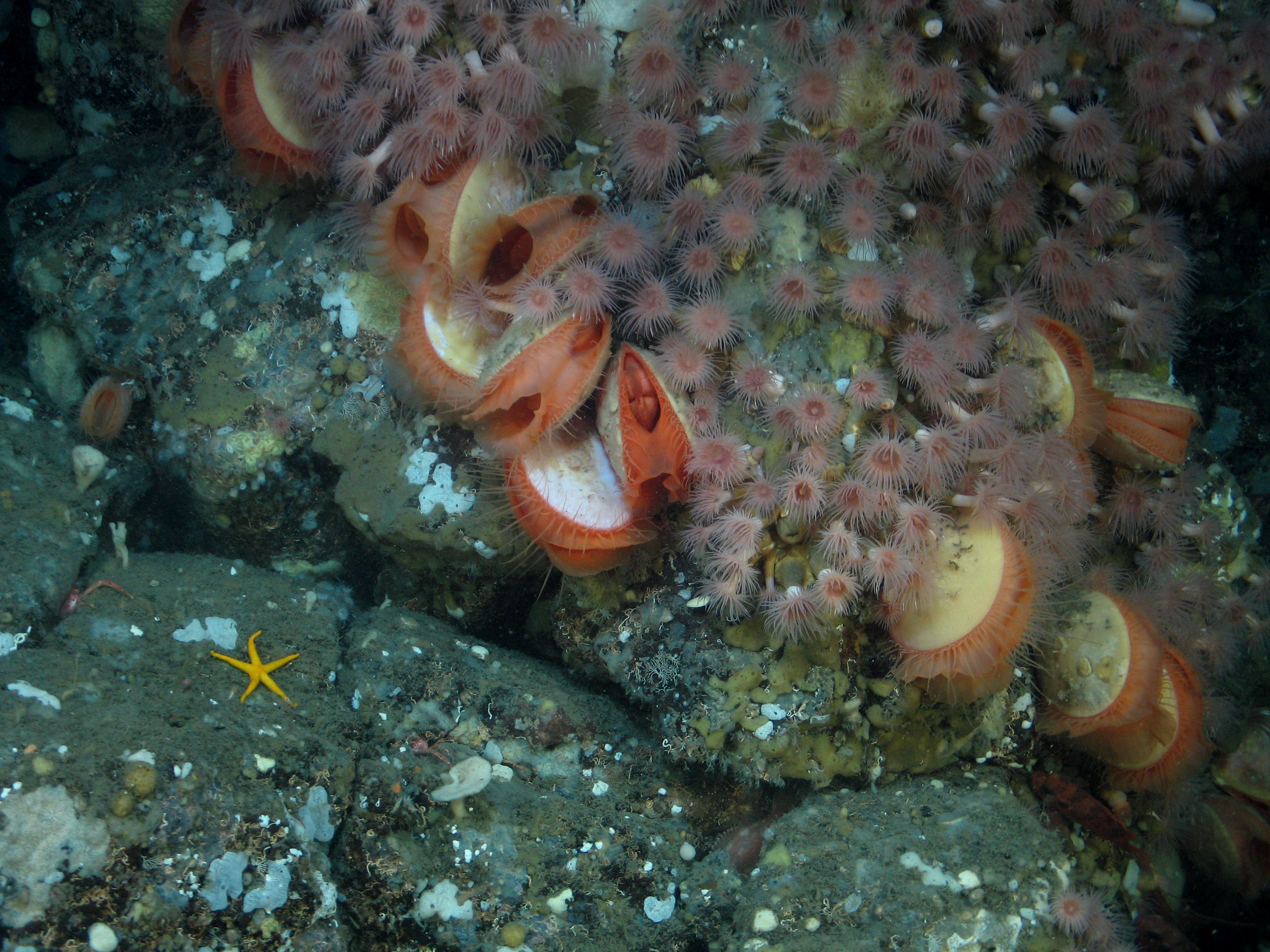
The ICE-CTD research cruise investigated cold water coral reefs and seawater properties around coral and non-coral areas. The objective was to characterise the present and past coral environmental conditions. Coral were sampled for dating, geochemical and genetic studies. The GIS Technician’s job mainly involved using ArcGIS to prepare the ROV dive routes and produce maps. They were also in charge of transferring the real-time data and comparing the real-time routes with the planned dive.

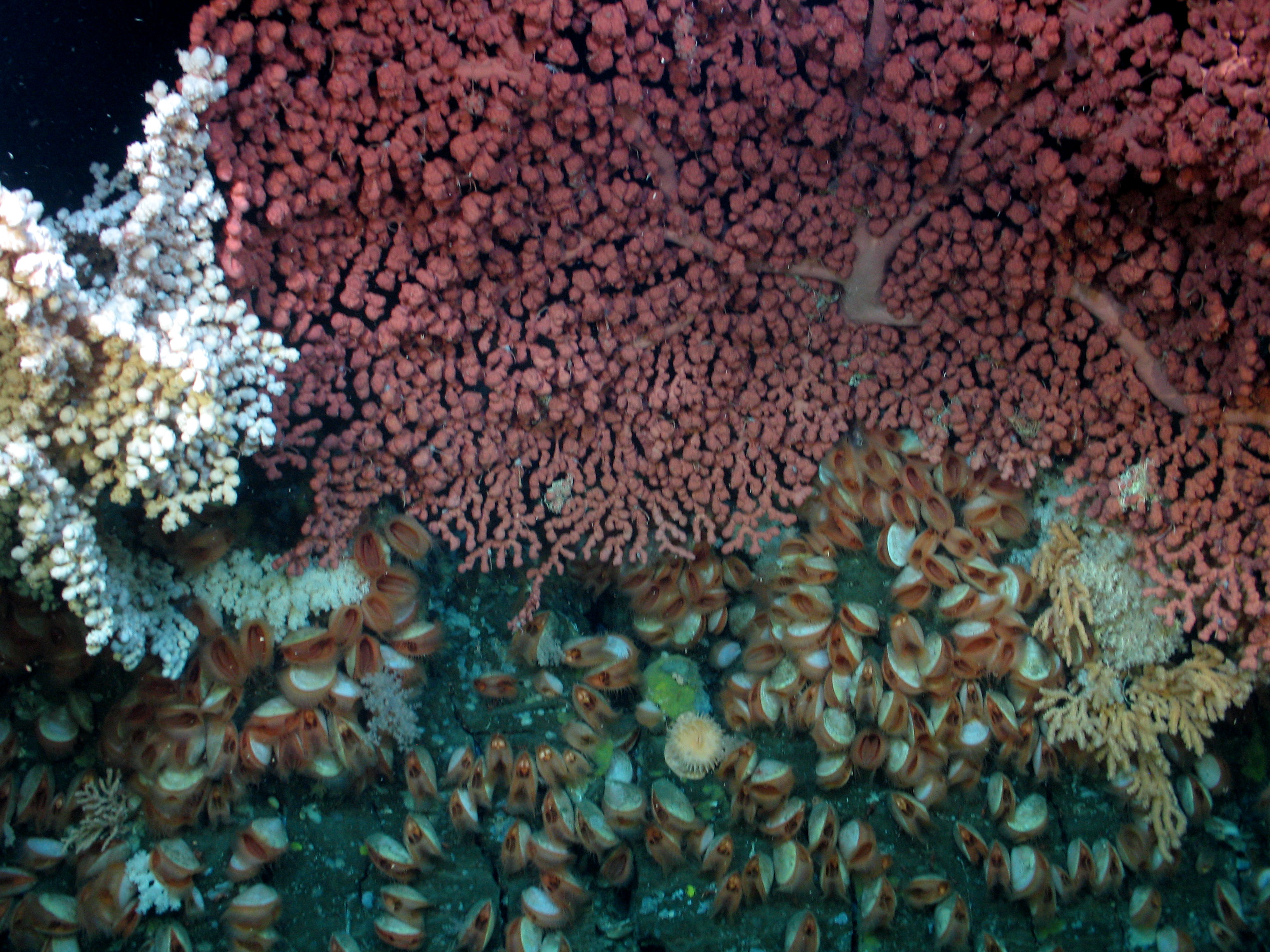
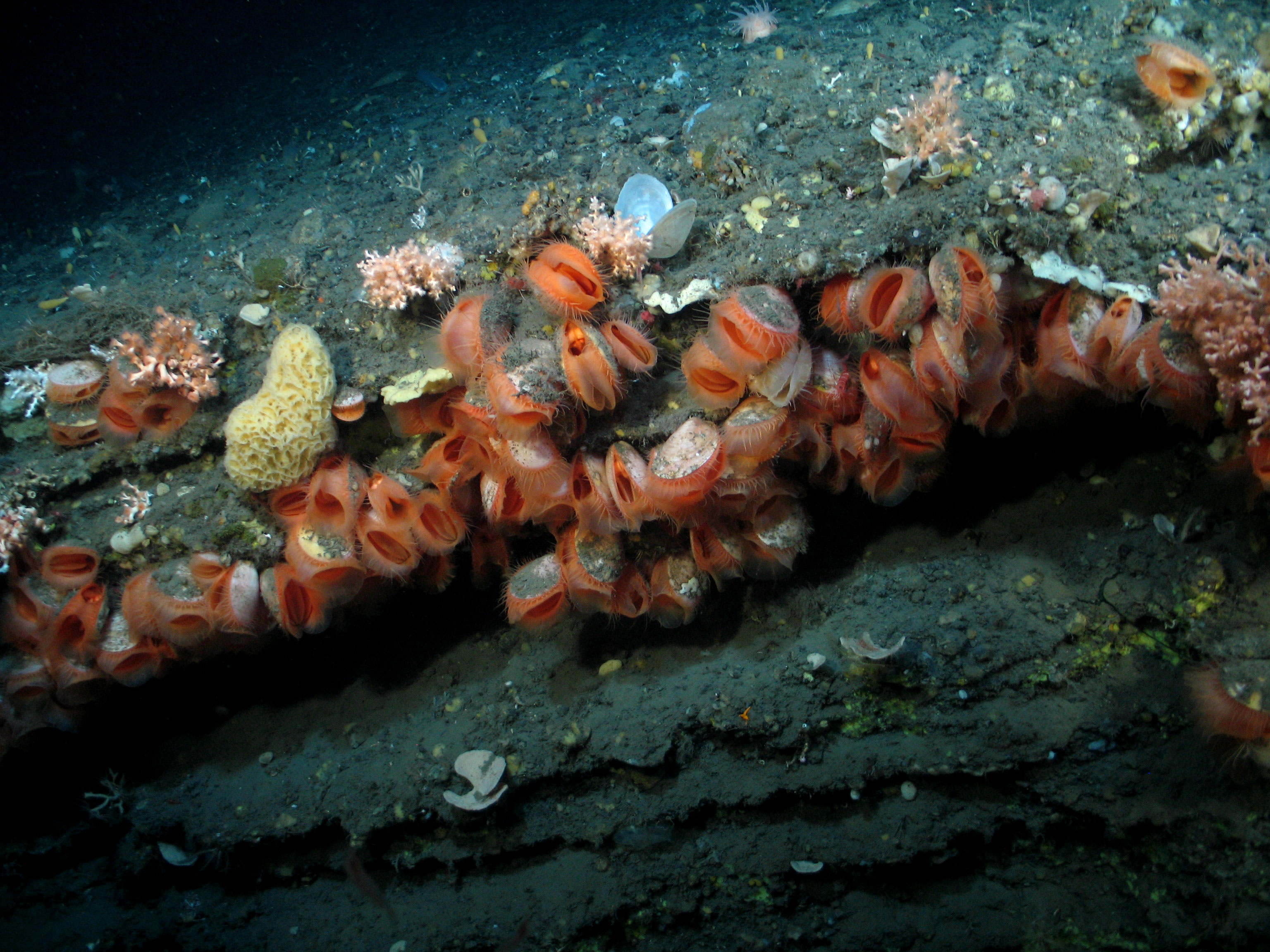
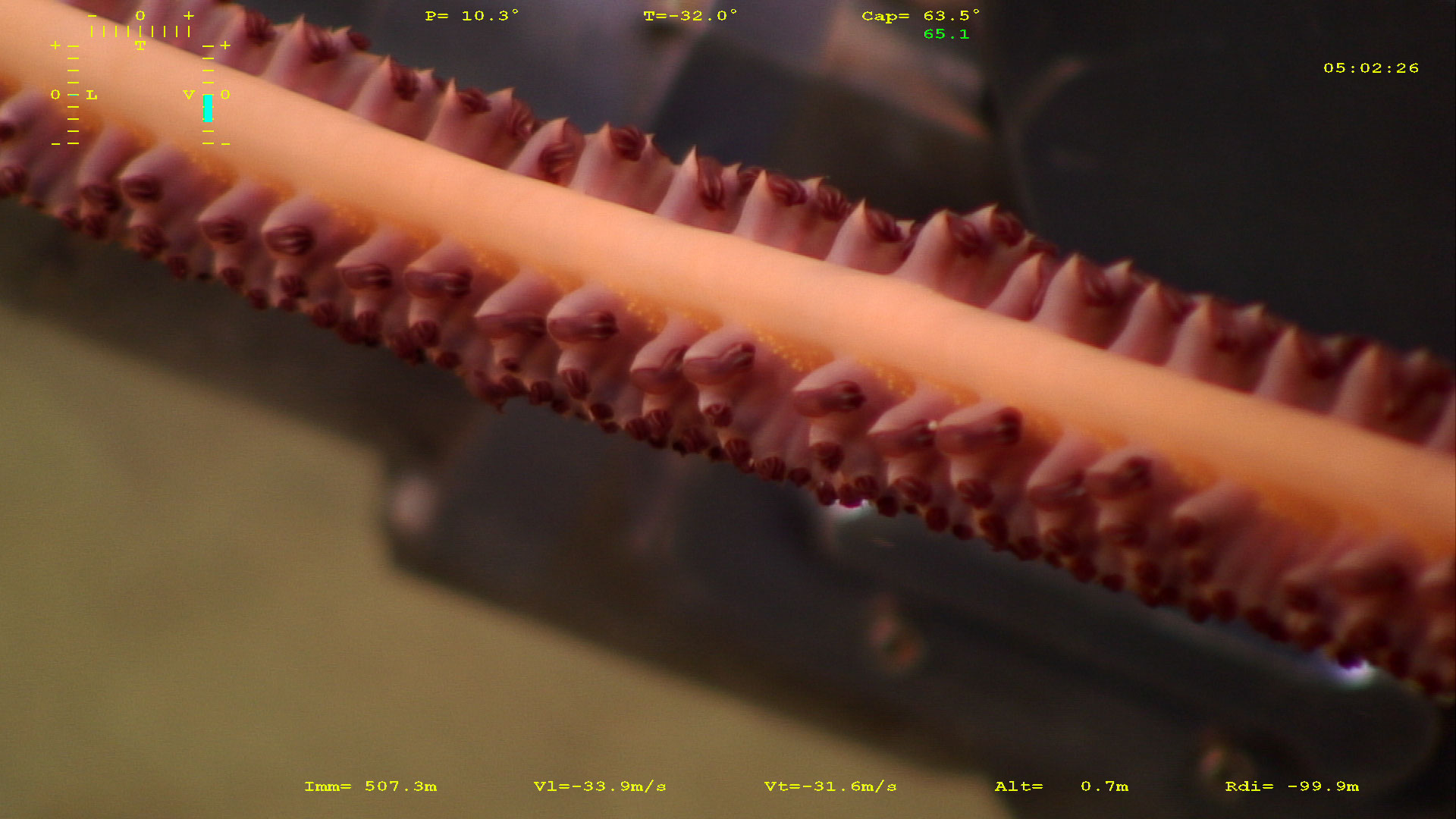
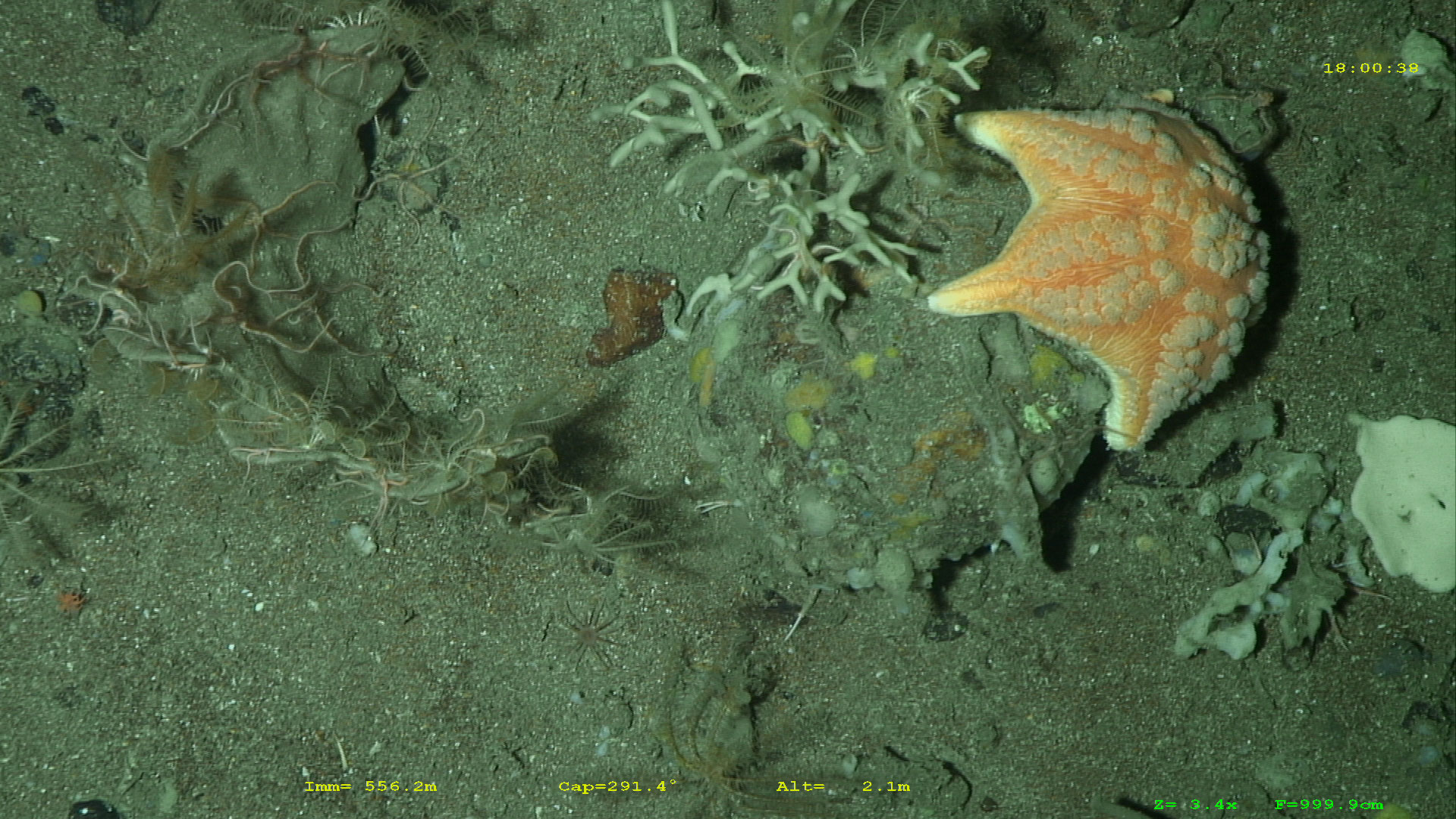
The ship left Brest on the 11th of June and headed straight to the Icelandic waters. It was initially planned to investigate the Logachev mound province but this was cancelled due to bad weather conditions. The ROV was deployed in three locations off southern Iceland and coral reefs were found in each area. Included are pictures from some of the spectacular locations discovered. The ship docked in Reykjavík for one night, allowing everyone to scramble off and explore Iceland’s beautiful scenery (geysers, icesheets, the mid-atlantic ridge, waterfalls!). The ROV team left the ship at Iceland and the rest of the team continued down the middle of the Atlantic to the Azores. CTD measurements were taken along the way and ARGOS floats were deployed, but it was a much quieter cruise on the way back.

Here is the link to the cruise blog:

Image Credits

All the pictures are taken by the GENAVIR ROV team and are credited to the following source: ICE-CTD cruise on N/O Thalassa, conducted by the LSCE and IFREMER under the lead of Dr. Norbert Frank, Laboratory for Climate and Environmental Research LSCE. (links: http://www.lsce.ipsl.fr and http://www.ifremer.fr and contact email Norbert.Frank@lsce.ipsl.fr and Sophie.Arnaud@ifremer.fr) and to Fiona Stapleton, National University of Ireland, Galway.

Interview with British Researcher Chris Yesson

The second in our series of interviews, Dr. Chris Yesson, Institute of Zoology,  Zoological Society of London speaks about habitat suitability modelling of cold water corals and his team’s work as part of the CoralFISH FP7 project. He discusses his work the to identify suitable habitats for octocorals and stony corals from the North Atlantic and globally.  Interview carried out at the Zoology and Marine Biology Museum, National University of Ireland, Galway. For more information please see the Institute of Zoology, Zoological Society of London website.

Acknowledgements

Special thanks go to Dr. Chris Yesson for permission for inclusion of this interview in this blog.

Interview with Icelandic Ecologist Julian Burgos

Benthic ecologist Julian Burgos, Marine Research Institute, Iceland, gives us a rare perspective about cold water corals living in Icelandic deep waters and his team’s work as part of the CoralFISH FP7 project. CoralFISH is assessing the interaction between cold water corals, fish and fisheries, in order to develop monitoring and predictive modelling tools for ecosystem based management in the deep waters of Europe and beyond. More information about the findings of the study can be found on the CoralFISH website.

Acknowledgements

Special thanks go to Dr. Julian Burgos for permission for inclusion of this interview in this blog.

African Dust, Coral Reefs and Human Health

Hundreds of millions of tons of mineral dust are transported thousands of miles through the atmosphere from the Sahara and Sahel of Africa to the Caribbean and the Americas every year.

This video discusses whether African dust is playing a role in coral reef declines throughout the Caribbean region, and if African dust has a negative effect on human health. If so, what processes are involved?

Stay tuned for a related post about iron fertilisation experiments to trigger phytoplankton blooms in the North Pacific, where sands of the Sahara are not present.